
Summary
I’ve always used kanekalon braiding hair, I even have a particular brand I gravitate to. As I write this, there are about four packs sitting in my hair box… you know, “THE hairbox.” The one sitting in a corner housing the edge control, rat-tails, reminders of styles past and future. I’ve never really questioned what was inside the box, especially not the braiding hair. It’s tradition, and I’ve never imagined tradition would harm me.
By Rovanni Castillo
I started learning more about what kanekalon actually is and how it’s possibly affecting us. Kanekalon is a synthetic fiber, typically made from acrylic or modacrylic plastics derived from petroleum based chemicals. These fibers are chemically processed to achieve softness and color. Research and advocacy have raised concerns about the compounds used in these processes, including links to known, probable and possible carcinogens (cancer causing agents), lead exposure endocrine disruptors (chemicals that can interfere with the body’s hormonal systems). With prolonged scalp contact, heat from hot water setting, and friction during wear the cumulative exposure becomes harder to ignore (Consumer Reports, 2025). The risks of using Kanekalon shocked me, but more mind-boggling than the risk, is the normalization of using them!
This normalization made me think about freedom, in terms of access. About the ability to live full, safe lives. This considered, it begs the question “What does freedom look like when the products we rely on are quietly harming us?” Why should we have to look over our shoulders or scour academic journals, just to feel confident that our beauty practices aren’t costing us our health?
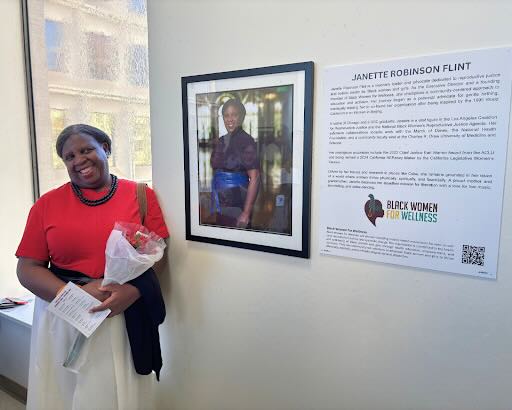
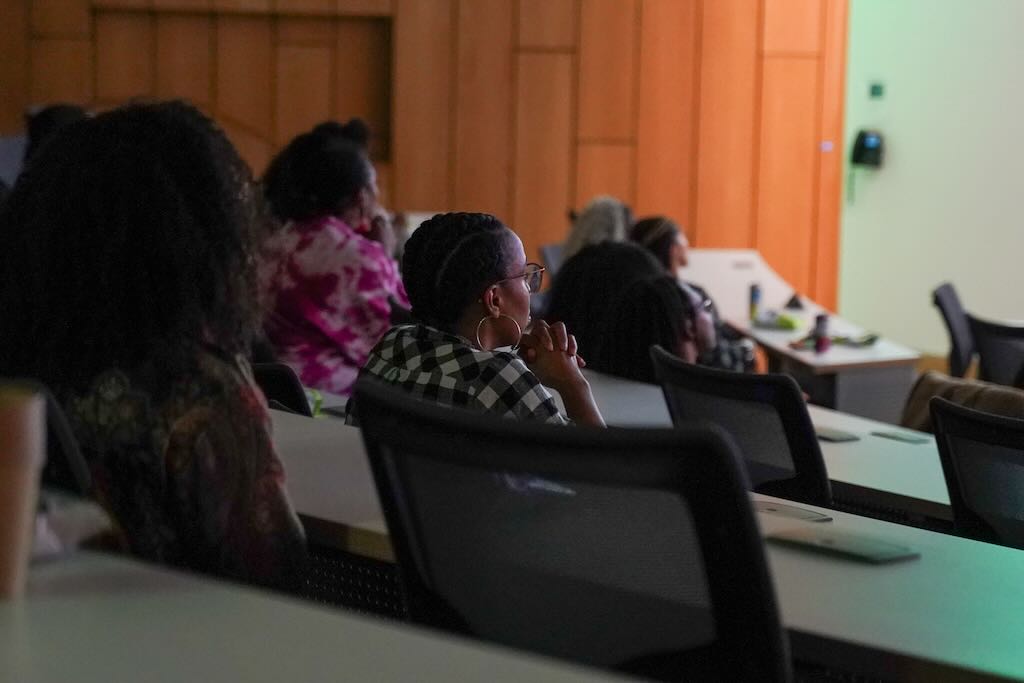 Alternatives have been emerging to mitigate this. One of them being Rebundle, which I was introduced to at the Black Women for Wellness’ LA screening of Reclaimed: Beyond the Braid.
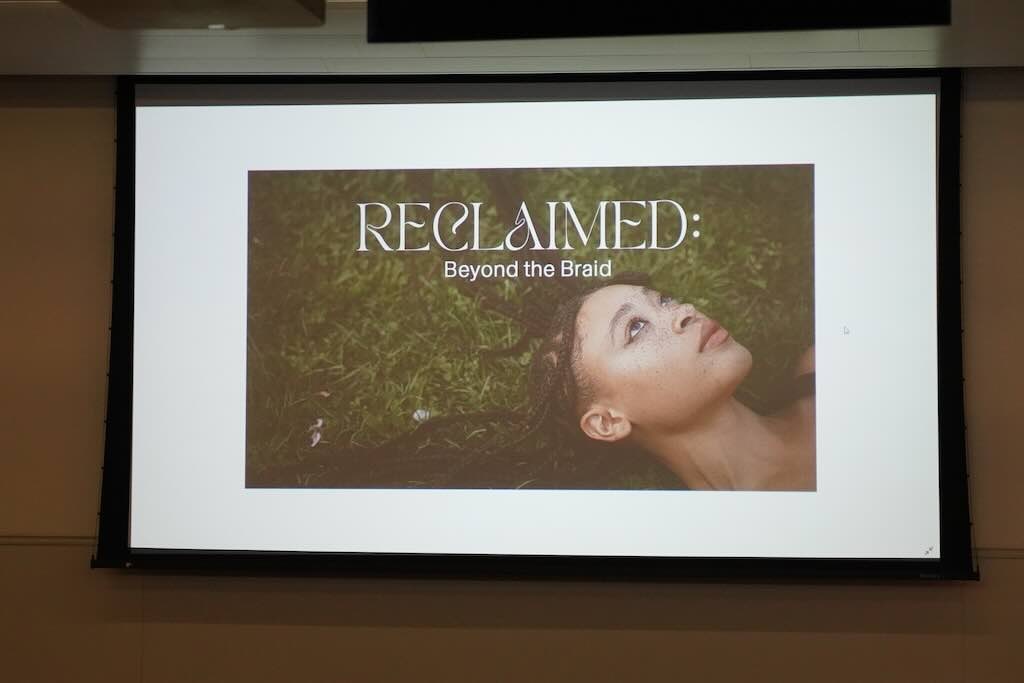
The film follows Rebundle founder Ciara Imani May as she documents her journey creating a braiding hair made from banana plant fibers. She ethically sources and produces Rebundle in Uganda, while turning agricultural waste into safe, good quality braiding hair. Banana fibers are hydrophilic, meaning they absorb water easily, which affects how the hair behaves and feels. This detail made me realize she put intense thought and care into her product. In the documentary, Ciara centers her customers by sitting with them as they are braided. Seeing this allowed me to appreciate her product tenfold.
 The screening segued into a panel discussion to further hone in the purpose of the documentary. Arnedra Jordan, Director of Programs at Black Women for Wellness (BWW), eloquently illustrated the meaning of Beauty Justice as BWW tells it. It’s the right to be informed, protected, and prioritized in systems that have historically overlooked us. On the panel alongside her was Hannah Diop, co-founder of Sienna Naturals, who shared why she was committed to creating haircare that is science-backed and not just labeled “natural”. She needed her product to work. Ciara spoke further about Rebundle and the discussion was thoughtfully moderated by Unique Vance of Black Girl Environmentalists.

About the Author
Rovanni Castillo is the 2025-2026 Beauty Justice Fellow at Black Women for Wellness. She earned her Bachelor’s degree in Public Health from California State University, Los Angeles, and her Master of Public Health in Community Health Sciences from UCLA’s Fielding School of Public Health. She is passionate about the intersection of beauty, health, and clean products, and is dedicated to serving and uplifting marginalized communities through advocacy, education, and empowerment.