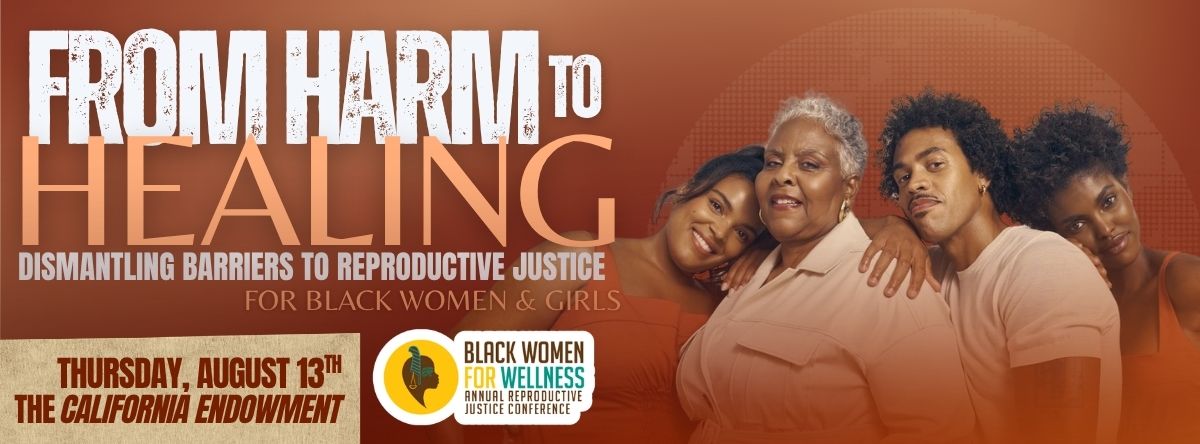
THURSDAY, AUGUST 13 · 8AM – 5PM PDT
The California Endowment, 1000 Alameda St., Los Angeles CA
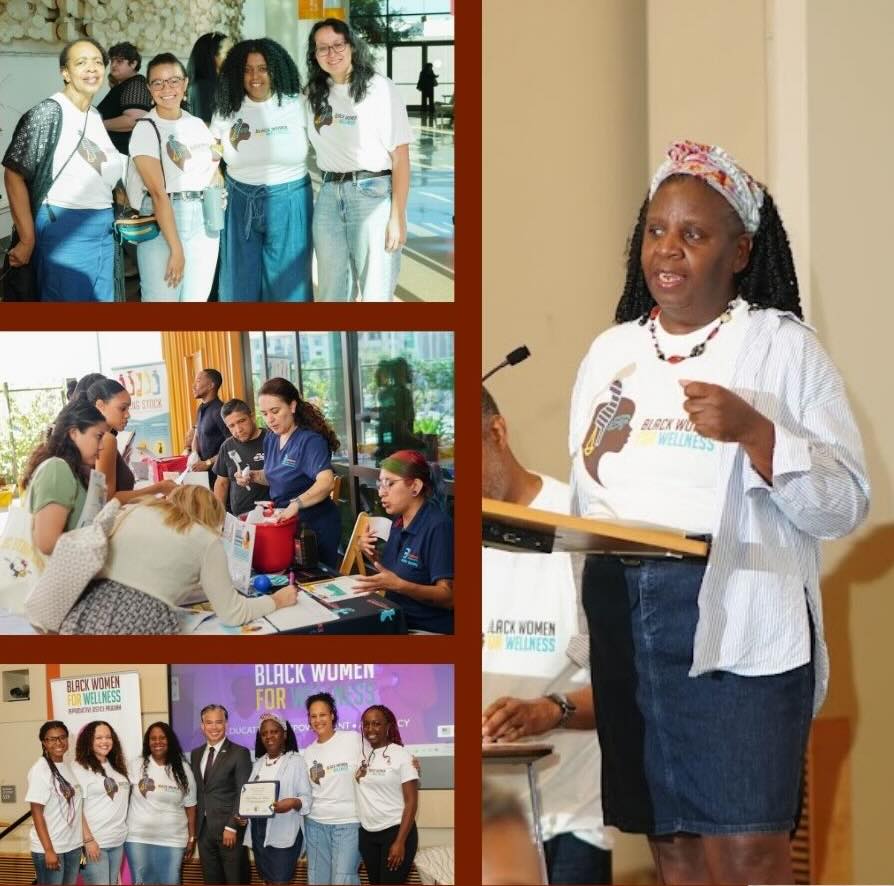
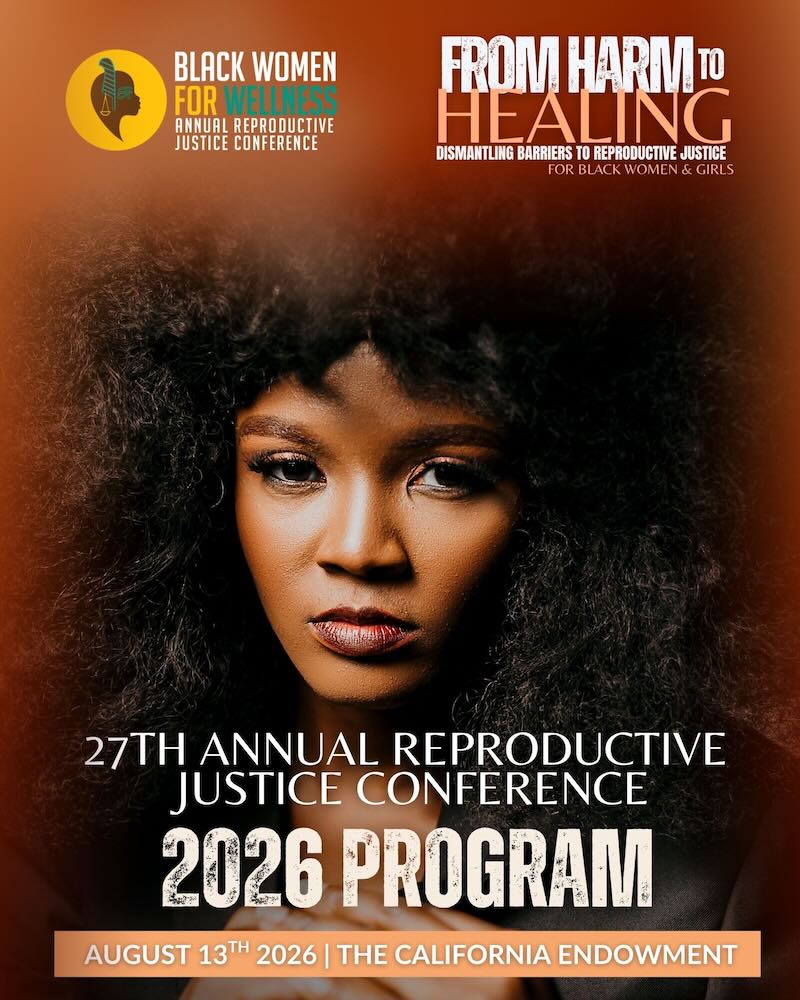
This year’s conference, From Harm to Healing: Dismantling Barriers to Reproductive Justice for Black Women and Girls, seeks to confront the continuum of reproductive harm endured by Black women and girls.
It is both a remembrance and a call to action acknowledging that Black women’s bodies have historically been used for extraction, experimentation, and control–from forced reproduction of our ancestors to the surgical experiments of J. Marion Sims and the non-consensual use of Henrietta Lacks’ cells. These harms continue today in maternal disparities, dismissal of Black women’s pain, and systemic barriers to reproductive autonomy.
At this year’s conference, we will hold space for truth-telling and collective healing. Together, we will exchange ideas, support one another, and develop practical steps to resist the very systems that exploit our bodies and reclaim time for joy and healing.
Agenda
Host
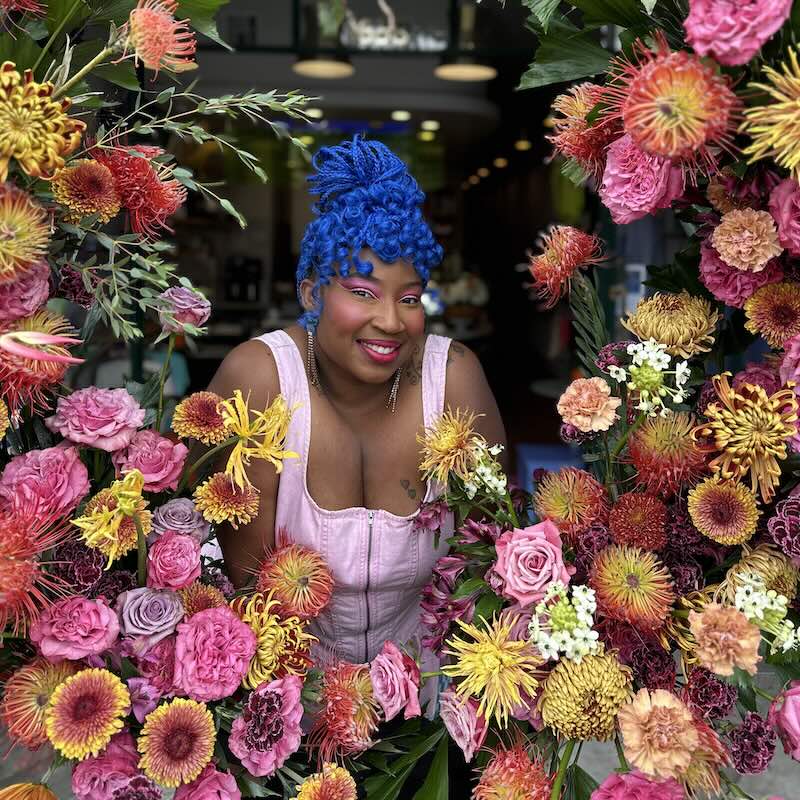
Jasolyn Marlisa Cynthia Harris, LCSW, M.Div. is a mother, partner, friend, root worker and multi-disciplinary healing artist.
As a Black queer femme, Jasolyn is dedicated to healing intergenerational familial wounds, specifically our maternal ancestral lineages.
Jasolyn is a Licensed Clinical Social Worker currently working part-time in private practice, specializing in the somatic psychotherapy modality, EMDR (Eye Movement, Desensitization, Reprocessing) and has been in the mental health field for 15 years.
Jasolyn has recently joined the illustrious Black Women For Wellness team in Los Angeles as one of the project evaluators. In addition to her multifaceted work in the mental health field, Jasolyn is a syncretic spiritualist, ceremonialist and clergy member rooted in Black American and African religious traditions of both Hoodoo and decolonized Christianity.
Jasolyn is an academically trained theologian who graduated with her 2nd masters degree in Divinity from Duke University and is a published contributing author of the book, Liberating Church: A 21st Century Hush Harbor Manifesto.
Jasolyn is the former Pastor of a radical Black and POC-centered, queer and trans-affirming Christian interdenominational church community, rooted in the Black Pentecostal Tradition.
Based in Los Angeles, Jasolyn is a newly passionate student and emerging vocal performer, learning the Italian Opera tradition, Bel Canto (translates to “beautiful singing”).
When she’s not co-parenting with her loving partner, she’s somewhere singing, line dancing, laughing hysterically, enjoying all of her daily beauty rituals and making quality memories with her dearest loved ones.
DJ
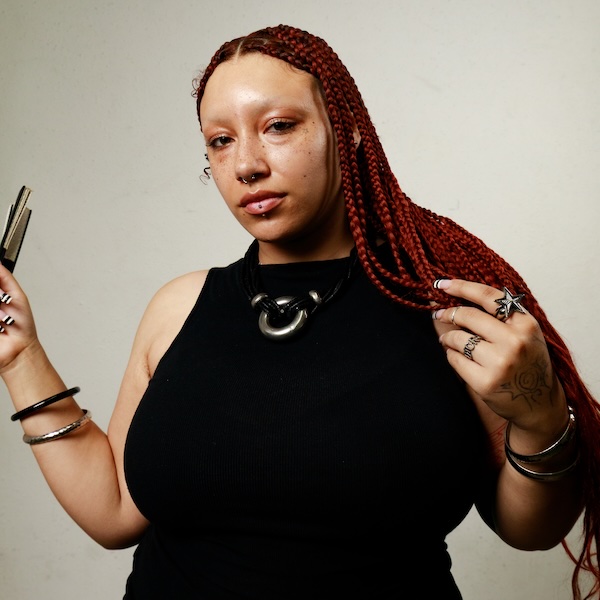
DJ Kemyuh is an LA Based, multi-hyphenate artist known in LA’s Black and queer underground spaces as a member of Black Bass Collective.
They are a rising star in the overall club and art scenes and intertwine different sonic textures of Black led dance music from club, techno, experimental sounds, footwork breaks & more.
You’ll find their sound and creative expression transcends formats & mediums, as they’re establishing their place in the world of Visual Arts.
Their work includes an emphasis on curating and coordinating emerging and established talent through the means of their joint venture, BBC Uncut, a media platform under Black Bass Collective.
The root of their work looks to educate, platform, and fundamentally shift the way we see multi-disciplinary artist and their capacity to be such. To them, dreams have no limits.
Registration, Breakfast, Opening Remarks
8:00 AM – 8:30 AM
Registration and Breakfast
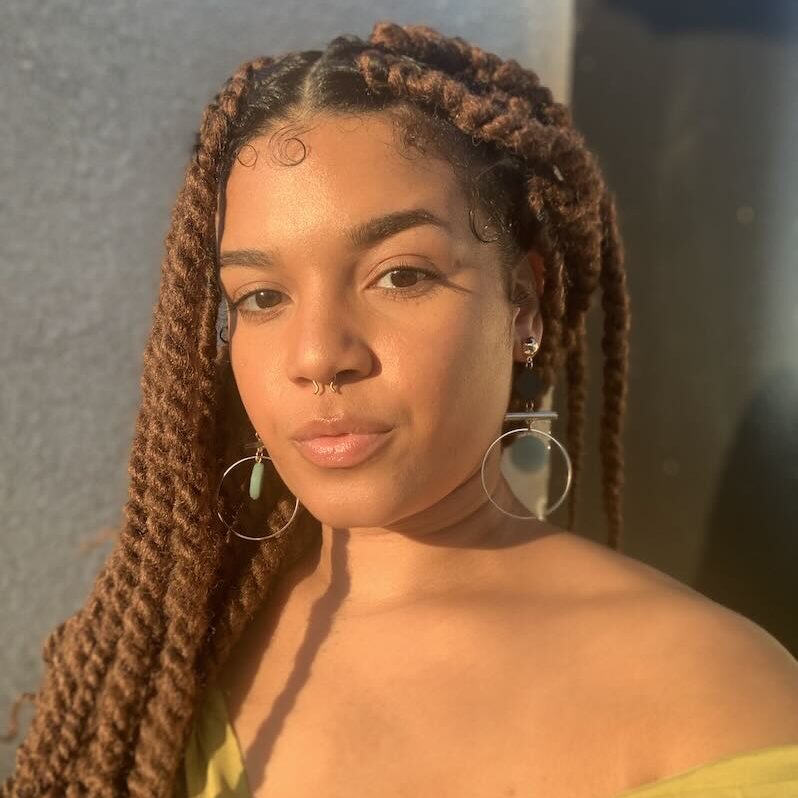
Speaker: Tianna Bratcher, Poet
Tianna Bratcher (they/she) is a Black, queer, genderfluid poet. She has received Fellowships from The Watering Hole, Griot’s Well, Tin House and Open Mouth.
Their work has been published in or is forthcoming in Poetry Magazine, Muzzle Magazine, Shade Literary Arts, Stellium Lit Magazine, Ink Well, December Magazine, and elsewhere.
Tianna graduated from Randolph College with an MFA in Creative Writing.
8:30 AM – 9:00 AM
Welcome and Opening Remarks,
Morning Stretch
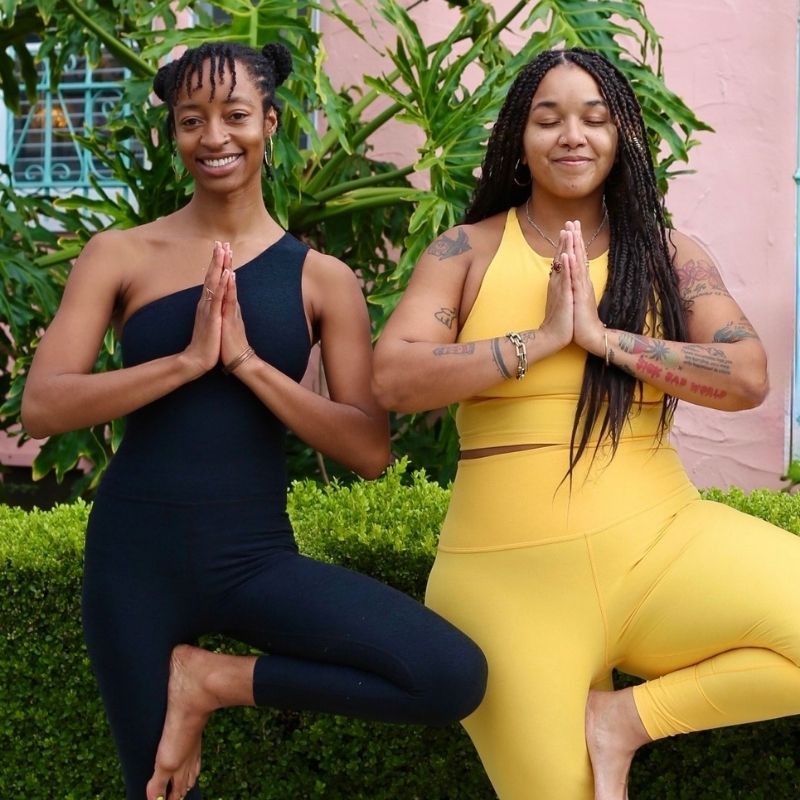
The Black Women’s Yoga Collective
The Black Women’s Yoga Collective (BWYC) is dedicated to making wellness more accessible for Black & Brown communities, while increasing representation for Black women in the wellness industry.
We create inclusive, intersectional, and culturally affirming spaces where people can rest, reconnect, and build lasting relationships with themselves and others.
Through yoga, meditation, retreats, and community programming, we welcome everyone from curious beginners to experienced practitioners.
BWYC currently offers virtual classes, domestic & international retreats as well as regular classes, and workshops in New York and Los Angeles, with plans to expand into more communities.
9:00 AM – 9:25 AM
Keynote Address
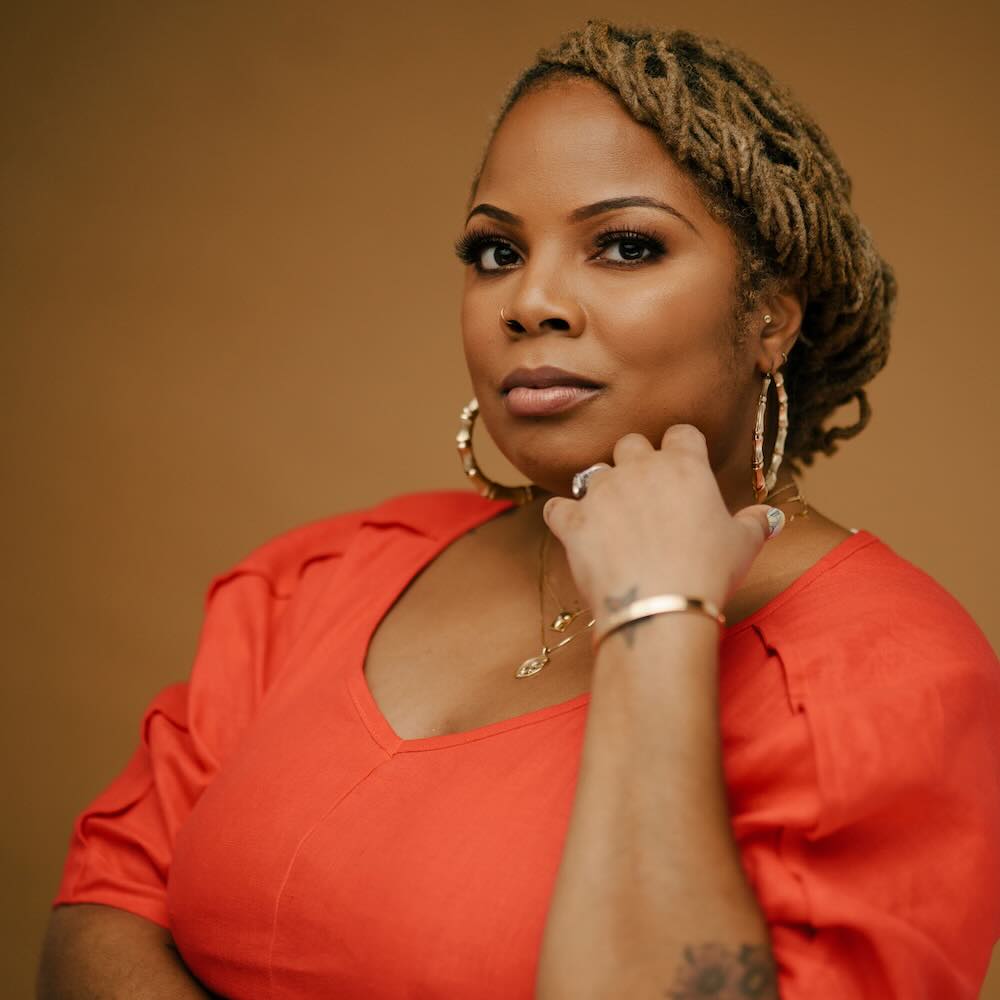
Keynote Speaker: Paris Hatcher, Founder and Director of Black Feminist Future
Paris Hatcher is the founder and director of Black Feminist Future, a national Black feminist organization that amplifies and builds the power of Black feminist leaders, organizations and movements. In this capacity, she also serves on the leadership team of the Movement for Black Lives.
Prior to her work with Black Feminist Future, Paris managed network strategies at Race Forward: The Center for Racial Justice Innovation, and worked as Principal at Rhombus Consulting Group, working to advance intersectional strategy toward queer liberation and racial, gender, and reproductive justice.
She provided technical assistance, group facilitation, and designed innovative cultural and policy campaigns that centered the power and expertise of Black women.
In 2005, Paris co-founded and was the Executive Director of SPARK Reproductive Justice NOW, a leading reproductive health, queer and trans-justice organization in the Southeast where she was born and has built her life. Her expertise and commitment is undeniable.
9:25 AM – 9:30 AM
Intermission
Featured Panel Discussion
9:30 AM – 10:15 AM
Featured Panel
From Harm to Healing: Black Women, Reproductive Justice, and Medical Bondage
For generations, Black women’s bodies have been sites of experimentation, control, neglect, and systemic violence within the American healthcare system.
From forced reproduction during slavery to present-day maternal health disparities, Black women continue to navigate a healthcare system shaped by racism, bias, and unequal treatment.
Inspired by the work of Deirdre Cooper Owens and her groundbreaking book Medical Bondage, this panel will explore the historical and ongoing impact of medical racism on Black women’s reproductive health and bodily autonomy.
Bringing together a mother, physician, therapist, and community voices, this conversation will examine maternal health disparities, medical mistrust, reproductive trauma, informed consent, advocacy, abortion and the continued fight for dignity and equitable healthcare for Black women.
Grounded in the framework of reproductive justice, this discussion will connect historical harm to present-day realities while exploring how to shift the narrative beyond survival to center joy, liberation, wellness, and healing for Black women.
The panel will uplift community accountability, transformative care, and collective pathways toward justice, restoration, and equitable healthcare.
Moderators: Lori Rodriguez, Education and Advocacy Coordinator, Sister Song
Panelists:
Danielle Toyou, Community Mother/ Advocate
Jessica Knott, LMFT
Joy Bradley, Alabama Women’s Health Center
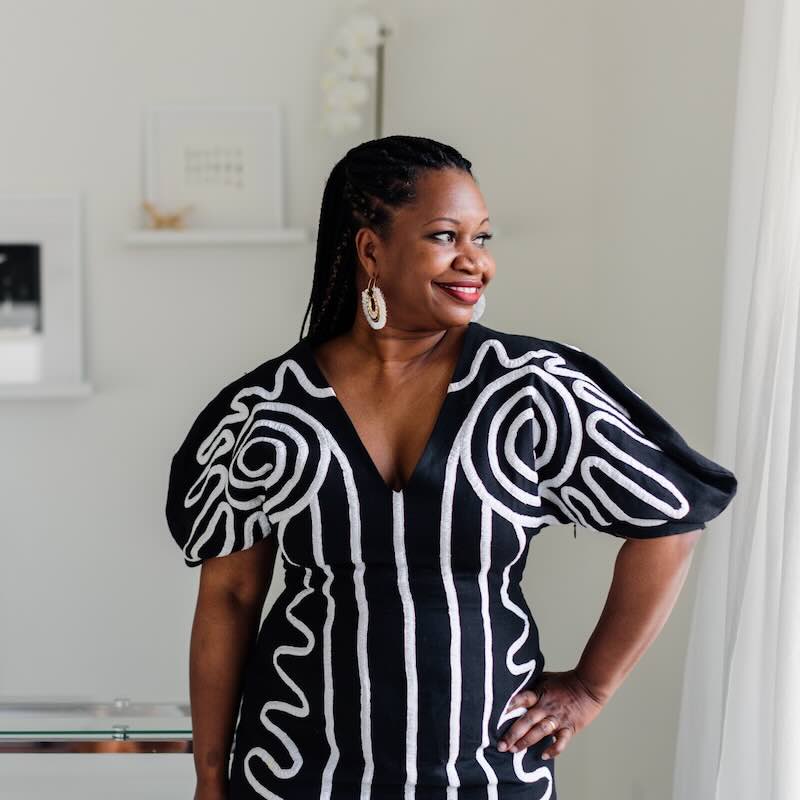
Speaker: Deirdre Cooper Owens, Ph.D., Associate Professor of History & Africana Studies, University of Connecticut
Deirdre Cooper Owens, an award-winning historian and popular public speaker, is a professor of history in New England.
As a teacher and public speaker, Cooper Owens credits where she was raised as key factors in her love for weaving together history and storytelling. She remembers vividly sitting on the front porch with her granddaddy in SC’s Low Country listening raptly to the ghost stories he told about the enslaved in his Gullah tongue. She was influenced by these experiences and similar ones that centered oral history. It is what ultimately led her to devote her life to become a professional historian.
Cooper Owens is a proud graduate of two historically black colleges and universities (HBCUs), the all-women’s Bennett College and Clark Atlanta University. She earned her Ph.D. in history at UCLA and has had a number of prestigious fellowships at the University of Virginia, the American College of Obstetricians and Gynecologists, and is an elected member of the American Antiquarian Society. As one of the country’s most “acclaimed experts in U.S. history,” according to Time Magazine, Cooper Owens is steadily working towards making history more accessible and inspiring for all.
Politically, she proudly works to advance reproductive justice.
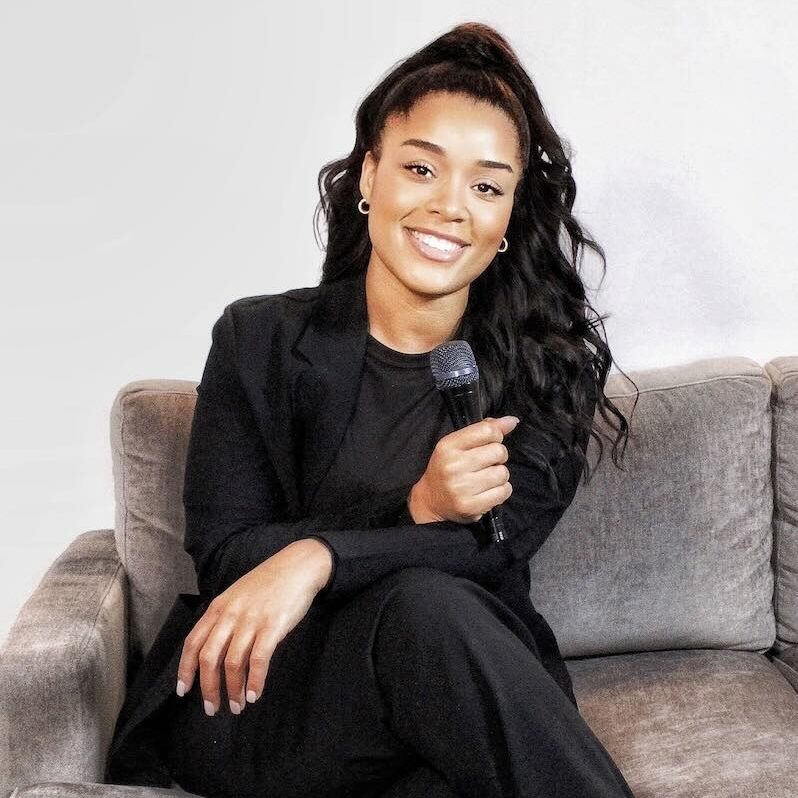
Speaker: Danielle Toyou, Community Mother/ Advocate
Danielle Toyou is a devoted mom, podcaster, and writer from Chicago. She hosts the heartfelt podcast I’m Talkin To You, I’m Talkin To Me Too, where she shares raw, soulful “mirror moments”: vulnerable reflections on healing, releasing past traumas, motherhood, resilience, and embracing authenticity as a Black woman.
Through intimate episodes drawn from her own journey, Danielle creates spaces for honest self-talk, emotional liberation, and redefining worth.
Her writing echoes these themes in essays and narratives that connect deeply with listeners seeking courage, clarity, and community.
With a warm, relatable voice rooted in real-life experiences, Danielle is passionate about uplifting others through storytelling and vulnerability.
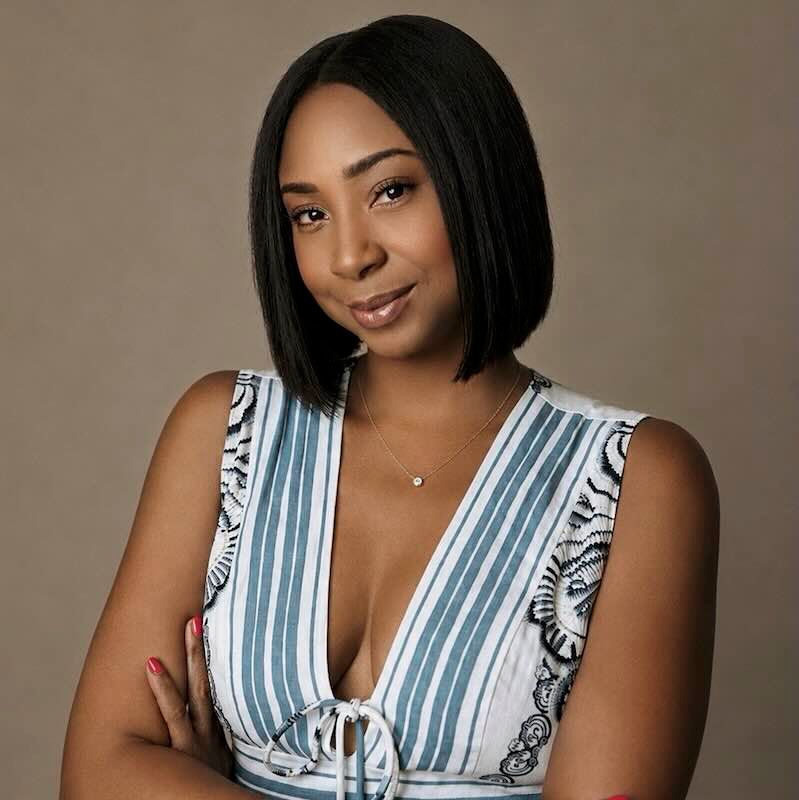
Speaker: Jessica Knott, Licensed Marriage and Family Therapist
Jessica Knott, LMFT, is a Licensed Marriage and Family Therapist, entrepreneur, speaker, and community advocate dedicated to helping individuals heal, grow, and thrive.
As a cancer survivor and mother, she brings both professional expertise and lived experience to conversations surrounding mental health, medical trauma, self-advocacy, and wellness.
Jessica is the founder of KEO Care and the nonprofit initiatives Smile You’re Alive and Let The Girls Talk. Her work focuses on empowering underserved communities, promoting emotional well-being, and advancing equitable access to care and resources.
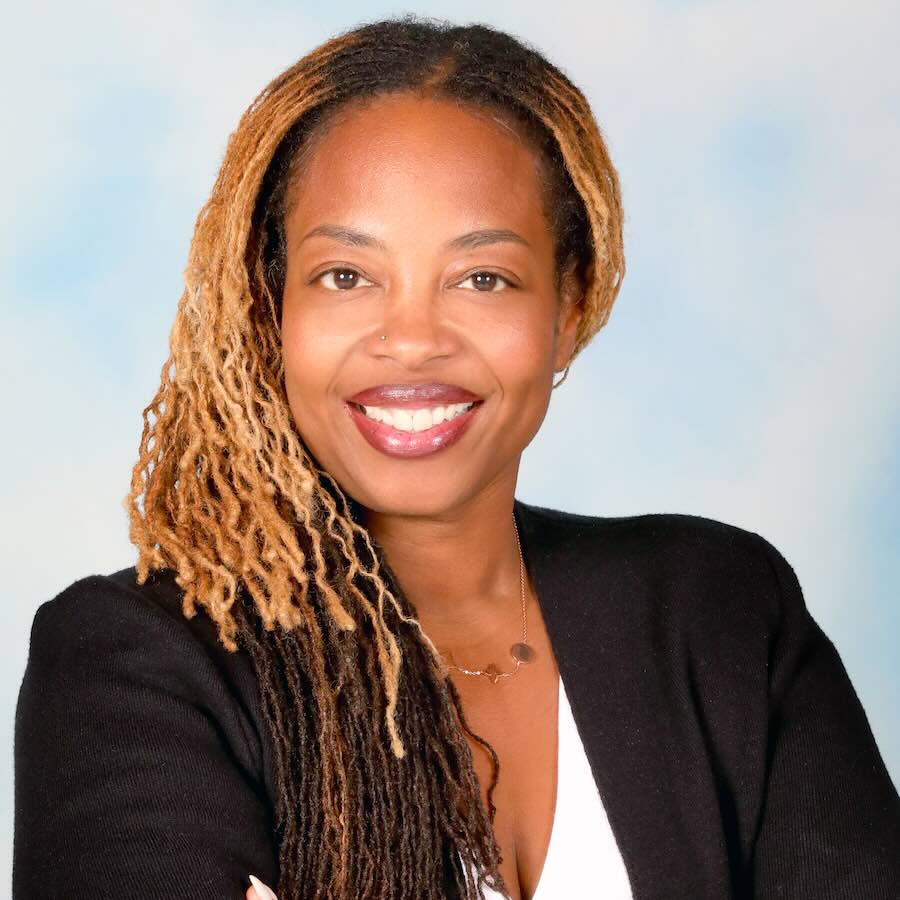
Speaker: Dr. Joy Bradley, Alabama Women’s Health Center
Dr. Lilanta Joy Bradley is an Assistant Professor in the Department of Community Medicine
and Population Health at the University of Alabama (UA). This Atlanta, GA native completed her doctorate in Health Promotion and Behavior from the University of Georgia, with a certificate in Interdisciplinary Qualitative Studies. She also has a master’s degree in Marriage and Family Therapy from the University of Louisiana at Monroe. Dr. Bradley was a
fellow of RWJF’s Interdisciplinary Research Leaders Program where her team addressed structural racism and community wellbeing. Her overarching research agenda is to co-
create liberatory health solutions with communities of color.
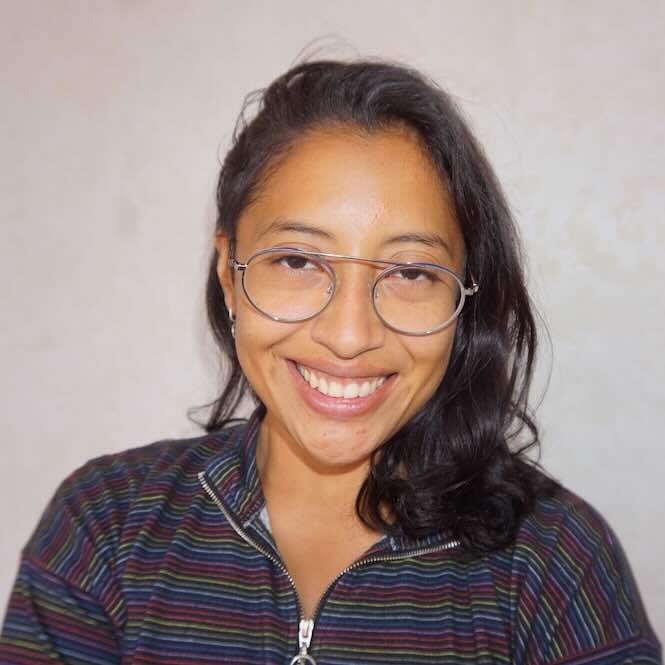
Moderator: Lori Rodriguez, Education and Advocacy Coordinator, Sister Song
Lori Rodriguez (she/they) is a queer writer, educator, and artist of indigenous Central American descent.
She works at the intersection of political organizing and education, art, and media. She has worked in the abortion and LGBTQ movements at the local, statewide, and national levels, and is now the education coordinator with SisterSong.
Her written work and photography have been published by various small presses, and she is a contributor on a forthcoming Reproductive Futurism anthology edited by Loretta Ross.
She is a bicycle mechanic, sailor, and motorcyclist, and works on political/transportation/art projects in her spare time.
10:15 AM – 10:30 AM
Refreshment Break
Morning Breakout Sessions
10:30 AM – 11:45 AM
Grown & Sexy
Housing Opportunities Mean Everything: Domestic Violence, Housing, and the Cost of Inaction Film Screening
This session will begin with the showing of Housing Opportunities Mean Everything: Domestic Violence, Housing, and the Cost of Inaction, a documentary. After the documentary showing, we will have a panel discussion and end with an audience discussion.
The documentary shares the stories of survivors who became homeless after leaving their homes in search of safety for themselves and their families, and a true look at what that decision, and those to follow, were like.
Participants will learn about what it really takes for survivors of domestic violence to leave an unsafe situation, the systemic challenges they face in pursuing safety, and the programs that make a life-changing difference.
This documentary and community discussion addresses not only the deep connection between the state’s homelessness crisis and domestic violence, but also what is needed to support and address this unique intersection.
This workshop will connect personal stories to systems: housing policy, survivor safety, economic violence, and institutional failure.
Moderator: Candace Reece
Panelists: TBA
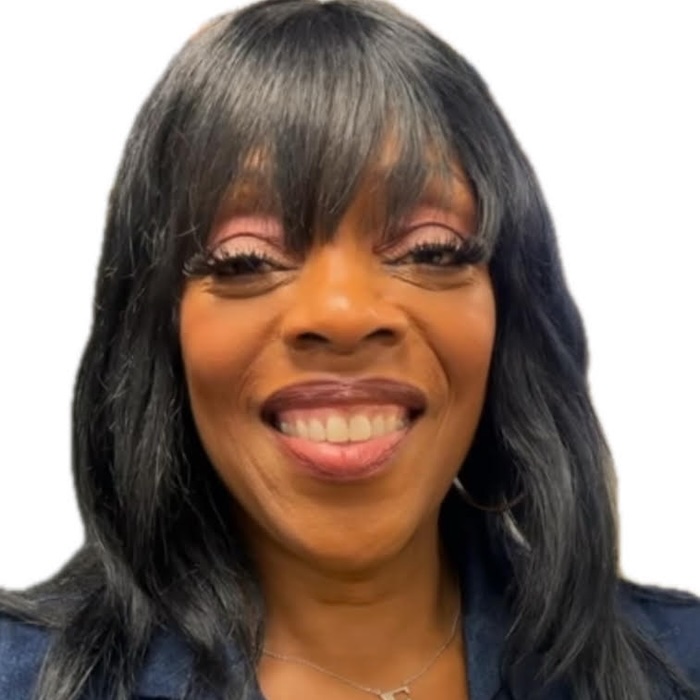
Speaker: Fannie Robinson
Ms. Fannie Robinson is a resident of Los Angeles, California where she is the founder and executive director of MOTH Foundation, a women and girls nonprofit. Fannie Robinson is also a domestic violence survivor and is passionate about advocating for women and children and ascertaining a safe and family-oriented environment for their
healing.
Ms. Robinson worked in Corporate America in Human Resources for decades before turning her sights to the nonprofit sector full time. Ms. Fannie Robinson earned her education in the state of Illinois, holding a Bachelor of
Science in Business and an MBA in Business Administration with concentrations in Human Resources and Marketing. She completed her studies at the University of St. Francis in Joliet, IL. Fannie spent over 25 years in Corporate America within the entertainment industry, serving in various Human Resources roles, including HR Coordinator, HR Generalist, HR Manager, and HR Director, at companies such as Entertainment Partners and Central
Casting before dedicating herself full time to her nonprofit work.
As a survivor of domestic violence, her personal experience fuels a deep and unwavering passion for advocating on behalf of the victims she serves. MOTH Foundation is dedicated to serving some of the most vulnerable members of the community, including victims and survivors of domestic violence, sexual assault, human trafficking, child abuse, and those who are sick, disabled, or economically disadvantaged, while also actively working to prevent youth violence. MOTH also assists disadvantaged youth, mothers navigating child custody cases, and individuals seeking to avoid recidivism.
Ms. Robinson organizes and participates in numerous outreach events throughout Los Angeles County, connecting residents with critical resources ranging from back-to-school support for all educational levels to workforce readiness programs, financial literacy training, and employment assistance. An accomplished grant writer, Fannie
has successfully secured over $1.2 million in federal loans and grants for both nonprofit and for-profit
organizations.
Her leadership and advocacy have led to her serving as a keynote speaker for multiple fundraising events, galas, and community outreach initiatives. In addition to leading MOTH, Fannie is the president of the National Council of
Negro Women View Park Section, an organization committed to empowering underprivileged communities through its core four pillars: Social Justice, Education, Health Equity, and Economic Empowerment.
She also serves on the Board of Directors for We Raise Our Children Inc. (WeROC), a violence prevention nonprofit dedicated to supporting youth in urban and marginalized areas of Los Angeles County. Fannie’s collaborative spirit
has fostered partnerships with numerous organizations across Los Angeles, bringing vital resources to individuals who might otherwise go without.
Her tireless commitment to advocacy and community service has earned her awards, certificates, and public
commendations from Supervisor Holly J. Mitchell’s Office, Mayor Karen Bass’ Office, and various legislative and community organizations. Driven by a mission to create lasting change, Fannie Robinson continues to be a powerful
force for hope, equity, and empowerment in communities too often overlooked.
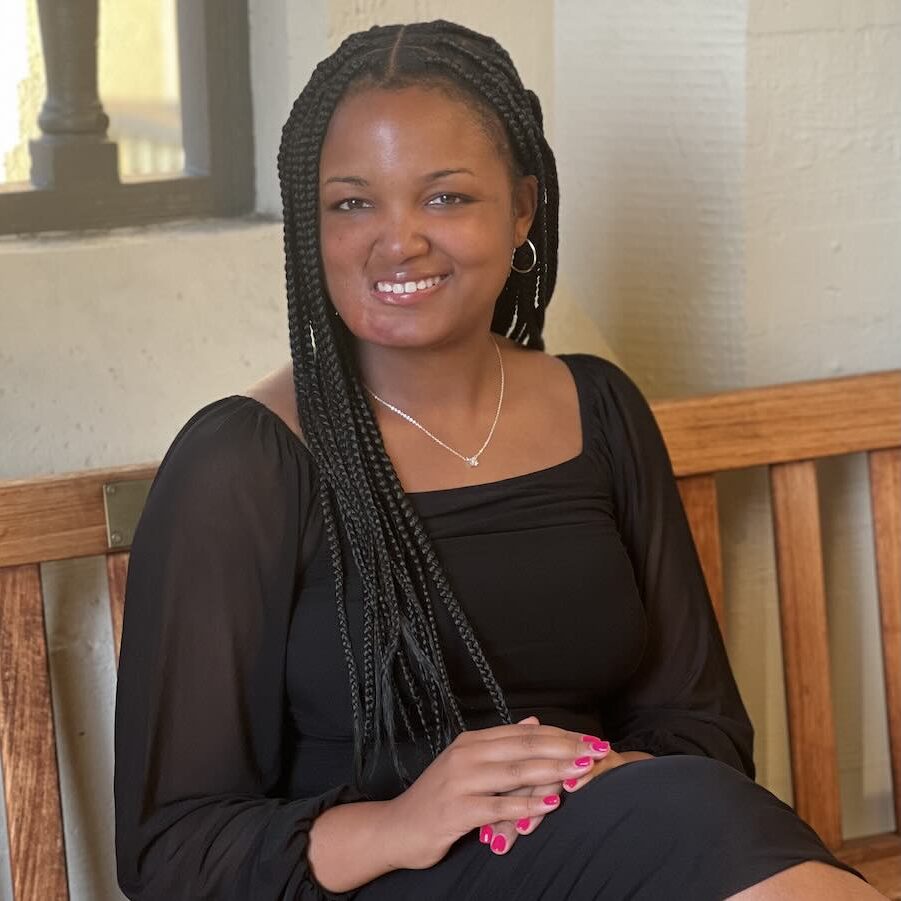
Speaker: Torron "Tumi" Shakir
Torron “Tumi” Shakir is a crisis counselor, peer support volunteer, intuitive life coach, and communication professional dedicated to advancing healing, resilience, and community.
As a sexual assault survivor, she draws on her lived experience and crisis intervention background to advocate for trauma-informed care, reproductive justice, and the well-being of Black women and girls.
Through speaking and service, Tumi creates space for honest conversations that foster healing, empowerment, and hope while encouraging others to transform pain into purpose.
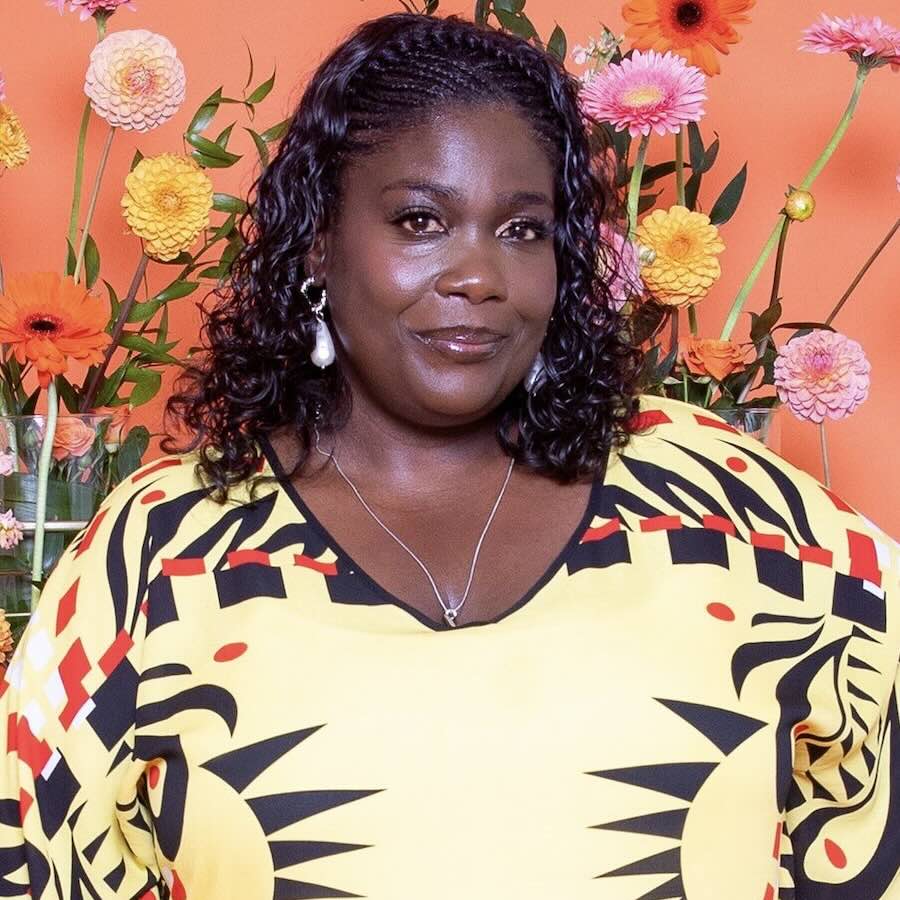
Speaker: Jametra “Mimi” Allen
Jametra “Mimi” Allen is a passionate and experienced community doula and the proud owner of SoAmazing Doula. With over five years of dedicated service, Mimi received her training from the International Doula Institute and is Medi-Cal approved, allowing her to provide care and support to families across her community.
Deeply committed to her work, Mimi has served more than 200 families, offering compassionate, personalized care. In addition to her doula services, she is also trained in hospice care for infants, bringing comfort, resources, and guidance to families navigating some of life’s most tender moments.
Mimi is known for her dedication, warmth, and professionalism. She forms strong bonds with her clients and adopted families, ensuring they feel empowered and supported throughout their journey. Her love for her work shines through in every interaction, making a lasting impact on the lives she touches.
In recognition of her advocacy and service, Mimi was honored as a “Fierce Auntie” by Black Women for Wellness, a testament to her powerful role as a nurturer, leader, and champion for Black maternal and infant health.
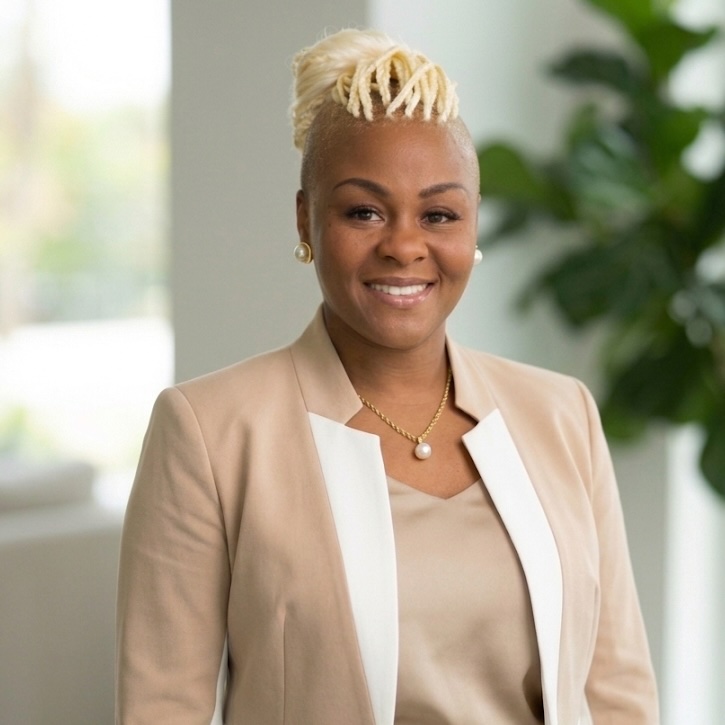
Moderator: Candace Reece
Candace Reece is the Founder of Kandake Living and Creator of Reclaim Your Crown™, a transformational empowerment movement helping women rebuild after domestic violence, trauma, and toxic relationships.
As a Certified Domestic Violence Advocate, speaker, empowerment coach, and survivor, she uses her lived experience to help women reclaim their worth, confidence, voice, and identity.
Through coaching, workshops, and community healing experiences, Candace creates safe spaces where women are reminded that they are not broken, they are priceless.
Civic Engagement
Beyond the Vote: Civic Engagement as Collective Resistance and Restoration
This session centers on the electoral process as a critical site of resistance and transformation in the fight for reproductive justice for Black women and girls.
In alignment with the conference theme, Harm to Healing, we recognize that the same systems responsible for historic and ongoing reproductive harm are reinforced through policy decisions shaped by who votes, who organizes, and who holds power.
Moderators: TBA
Panelists: TBA
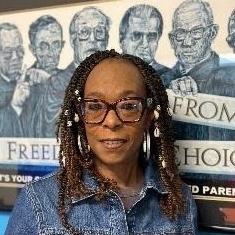
Speaker: Margot’ D. Taylor, Planned Parenthood Los Angeles
Margot’ D. Taylor, (she/her), is the Vice President of Community Engagement and Relations and leads the Black Health Initiative for Planned Parenthood Los Angeles.
She has been a part the of Planned Parenthood family since 2009.
Margot’ has worked in multiple capacities such as managing Healthcare Operations, Project Management and Public Affairs.
She attended the University of Houston where she quickly realized the differences in the treatment of black and brown folks in comparison to others.
While living in the South, she had several lived experiences of racial injustice and various levels of bias. That is where she learned the importance of the need to dismantle systemic racism through advocacy and action.
Because of her encounters, Margot’ has elevated her devotion to the wellness of those that require access to healthcare and equitable community services that may otherwise be overlooked or marginalized.
As an advocate, Margot’ believes in an intersectional approach to ensuring equitable access to healthcare and ancillary services in underserved communities of people of color.
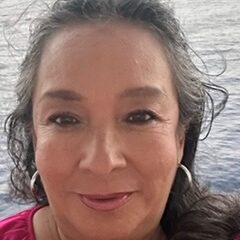
Speaker: Claudia Estrada Powell, Planned Parenthood Los Angeles
Claudia Estrada Powell is the Vice President of Public Affairs for Planned Parenthood Los Angeles, where she leads community engagement, government relations, advocacy, and coalition-building efforts to protect and expand access to reproductive healthcare services throughout Los Angeles County.
As a Latina immigrant and mother of four, Claudia brings both professional expertise and lived experience to her work advancing reproductive justice, health equity, and civic participation in historically underserved communities. She works closely with community-based organizations, elected officials, public agencies, philanthropic partners, and grassroots leaders to advance policies and programs that ensure access to reproductive healthcare, abortion care, sexual health education, and preventive services.
Throughout her career, Claudia has successfully developed and managed strategic partnerships with the Los Angeles Unified School District (LAUSD), the Los Angeles County Department of Public Health (DPH), community organizations, and public officials to support health education, parent engagement, and healthcare access initiatives.
She has led advocacy efforts at the local, state, and federal levels, helping build support for policies that expand access to reproductive healthcare and protect reproductive rights.
A seasoned political and community organizer, Claudia has played key roles in electoral and advocacy campaigns, ensuring that the voices of communities of color, immigrants, women, and underserved populations are represented in the democratic process. Her work has included mobilizing voters, leading public education efforts, and managing campaigns related to reproductive freedom and healthcare access, including Proposition 50 and Proposition ER initiatives.
Claudia serves as a trusted spokesperson for Planned Parenthood Los Angeles and is the organization’s lead Latina spokesperson, frequently representing the organization with traditional, digital, and multicultural media outlets. She is committed to using storytelling, community organizing, and coalition building to empower communities and advance social change.
Her leadership is grounded in the belief that civic engagement is a powerful form of collective resistance and restoration, and that every person deserves access to quality healthcare, education, and the opportunity to thrive.
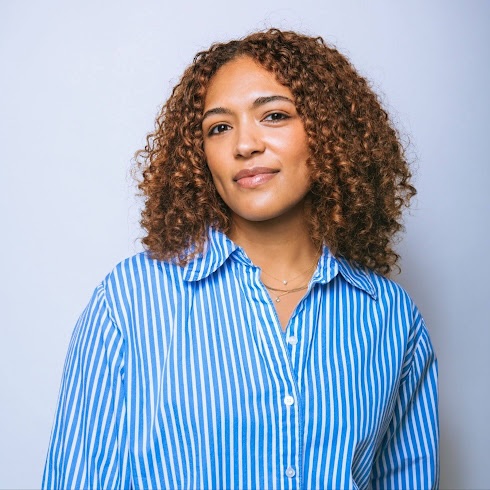
Speaker: Dr. Elizabeth Jordie Davies, University of California, Irvine
Elizabeth Jordie Davies writes about Black life, feminism, and social movements. Jordie is an Assistant Professor of Political Science at the University of California, Irvine.
She is also an affiliate faculty member of the UCI Culture and Theory Ph.D. Program and the Center for the Study of Democracy.
Her research is supported by the Russell Sage Foundation, the APSA Early Career Scholars Grant, Berkeley’s Center on Democracy & Organizing, and she was awarded the Ford Foundation Dissertation Fellowship, and the Ford Foundation Pre-Doctoral Fellowship.
Environmental Justice
No Drilling Where We're Living: Envisioning the Future of the Inglewood Oil Field
There are over 7,000 active and idle oil wells across LA, and the Inglewood Oil Field in South LA is the largest urban oil field in the nation.
These wells are mostly located in Black and Brown communities, and operations at these sites release toxic chemicals that cause negative health impacts, including reproductive harm.
This session will offer health education and information about the history of oil drilling in LA, as well as create space for collective healing through storytelling and community visioning.
Moderators: Stephany Cartney
Panelists: Bhavana, Lisa, Deja McCullum
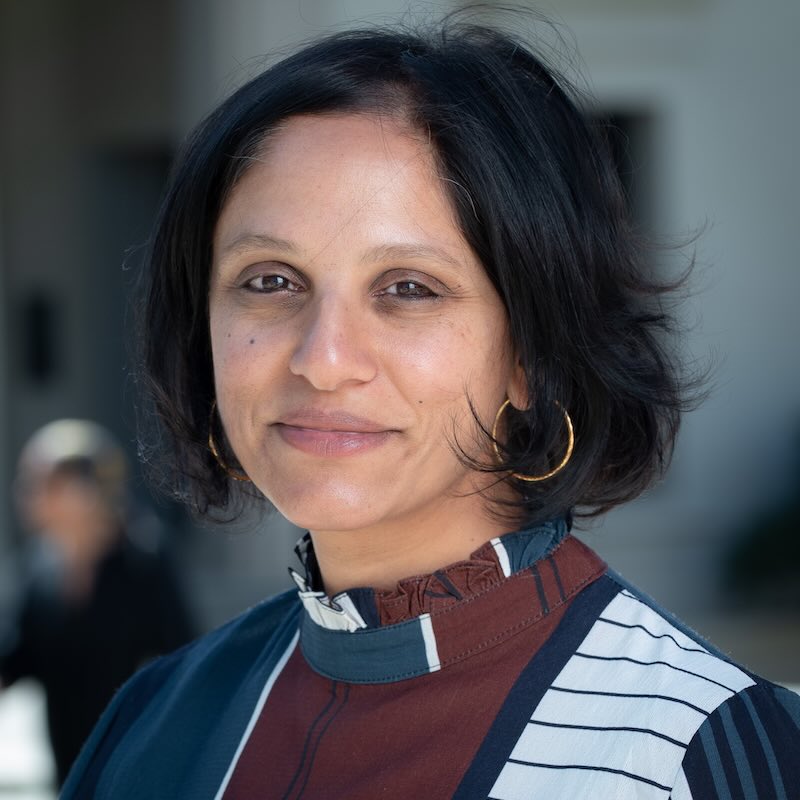
Speaker: Bhavna Shamasunder, Professor and Mellichamp Chair, Environmental Studies Program at University of California, Santa Barbara
Bhavna Shamasunder is Professor and Mellichamp Chair in Racially Just, Resilient, and Sustainable City Futures in the Environmental Studies Program at University of California, Santa Barbara. She teaches and conducts research on environmental health and justice with a focus on the disparate and cumulative burdens faced in urban communities of color.
Her work is community-based, and conducted in partnership with those most affected by industrial pollution. Her active research projects include examining burdens for communities living nearby urban oil extraction and how consumer products, and in particular beauty products, might contribute to disparate chemical exposures, and adverse health outcomes for women of color.
Her work has been supported by the National Institute of Environmental Health Sciences, the National Science Foundation, the California Breast Cancer Research Program.
She received her doctorate at the University of California, Berkeley in the Department of Environmental Science, Policy, and Management. She has a Masters in Environmental Studies from the Yale School of Forestry and Environmental Studies and Bachelors’ degrees in Biology and Development Studies from the University of California, San Diego.
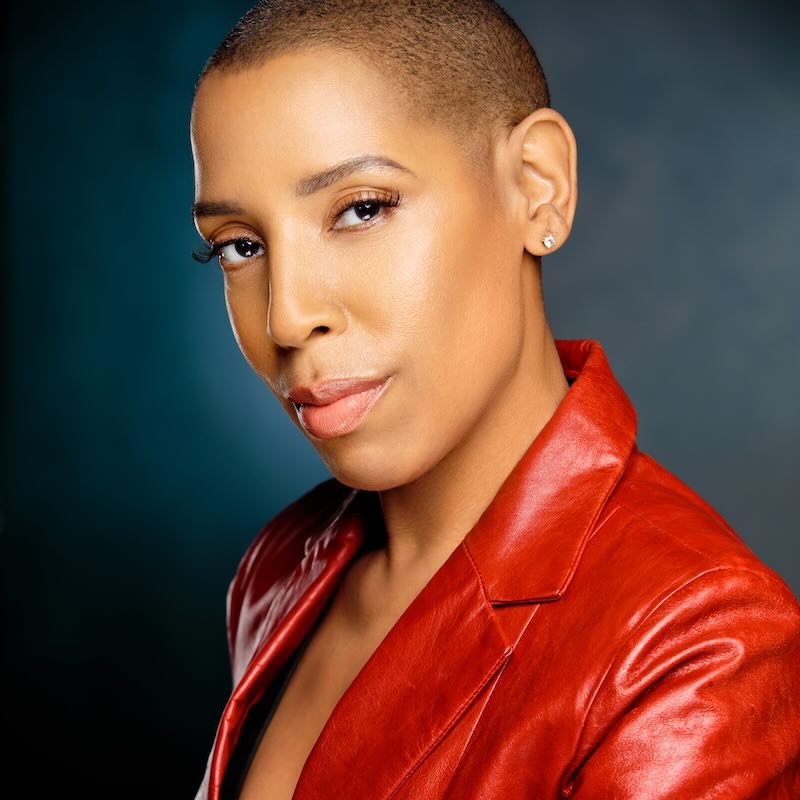
Speaker: Lisa Sellers, Black Women for Wellness’ Black Environmental Justice Alliance
Lisa Sellers is an activist, artist, and community advocate organizing at the intersection of environmental, housing, and racial justice.
Rooted in her own experience of unsafe housing and toxic exposure, she works as a delegate with Black Women for Wellness’ Black Environmental Justice Alliance (BEJA) to expose the harm the Inglewood Oil Field has inflicted on nearby Black communities and to fight for its closure.
Believing true Black liberation must be seized and not simply hoped for, the pulse of her efforts is for material repair, radical accountability, and the total recalibration of power that will make this so.
A Harvard-trained actor and former fashion stylist, she uses storytelling and public voice to affirm Black humanity, advance community stewardship of harmed land and collective liberation.
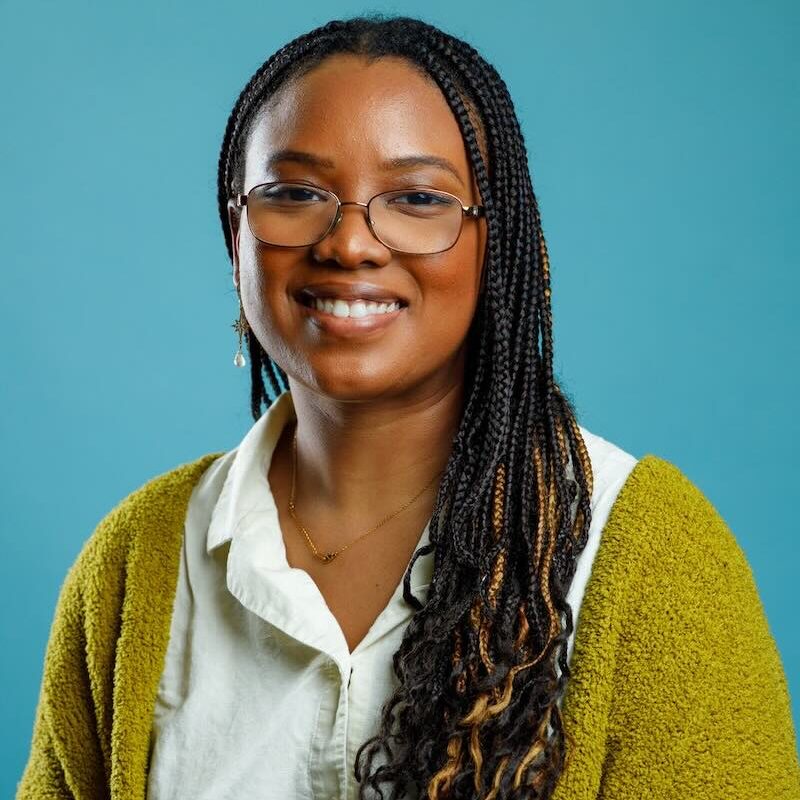
Speaker: Deja McCauley, Land Use and Health Program Manager
As the Land Use and Health Program Manager, Deja McCauley advances equitable, health-promoting land use policies. She partners with environmental and community stakeholders to advocate for equitable development and supports grant management to grow the program’s impact.
Deja brings a strong urban planning and health lens to her work, ensuring environmental health is embedded in policy and redevelopment decisions.
Deja holds a Master of Urban and Regional Planning from the University of California, Los Angeles, and a bachelor’s degree in Human Biology and Anthropology from the University of Southern California.
Before joining PSR-LA full-time, she completed a competitive fellowship supporting the organization’s TIERRA project, focusing on brownfield redevelopment and remediation research during her graduate studies.
Moderator: Tianna Shaw-Wakeman, Black Women for Wellness Environmental Justice Program Director
Tianna Shaw-Wakeman is an environmental and racial justice activist. She holds a Bachelor’s in Psychology and a Master’s in Social Entrepreneurship from the University of Southern California where she graduated as the first Black University Valedictorian in USC’s 140+ year history for the Class of 2021.
Currently, Tianna serves as the Environmental Justice Program Director for non-profit Black Women for Wellness (BWW) where she works to advance the health and well-being of Black women and girls by engaging in community-focused research, empowerment, and advocacy.
Through her work at BWW, she is actively engaged in efforts to address environmental inequities pushed on communities of color in South LA – in particular the reality that Black people are overexposed & underprotected from toxic pollution in their built environment.
Tianna has been recognized by Good Morning America, as a Coming Clean Movement Leader, and she’s spoken at the Summit of America’s, the LA Times Book Festival, the LA Green Business Council, the National Academies of Sciences, Engineering and Medicine (NASEM), the LA World Affairs Council, the Hollywood Climate Summit, and as a guest lecturer at USC, UC Berkeley, U Riverside, and Occidental College.
Previously, she served on the Mayor’s Youth Council for Climate Action, was nominated to the LA City Climate Emergency Mobilization Commission, and she was a board member for the LA League of Conservation Voters.
Tianna’s efforts come from a belief that we can all be liberated to enjoy thriving lives free from the oppression of white supremacy and capitalism, but only if we prioritize intersectionality and raise the voices of those most harmed to find solutions.
Youth & Young Adult
Youth Organizing for Safety, Care, and Reproductive Justice
The workshop will explore how youth organizing can serve as a pathway from institutional harm toward collective healing and community power.
Drawing from Kahlila’s experience organizing to defund school police and reinvest in Black students, she will help participants examine how policing, criminalization, inadequate health resources, and other systemic barriers shape young people’s safety, bodily autonomy, educational experiences, and ability to determine their own futures.
The session will highlight how reproductive justice extends beyond reproductive healthcare to include the right of young people to grow up in safe and supportive communities, access the resources they need to thrive, and participate in decisions affecting their bodies, schools, families, and futures.
Through interactive discussion and organizing activities, youth will identify the issues affecting their communities, recognize their own knowledge and power, and develop strategies for moving from individual experiences of harm toward collective advocacy, healing, and systems change.
Moderators: TBA
Panelists: TBA
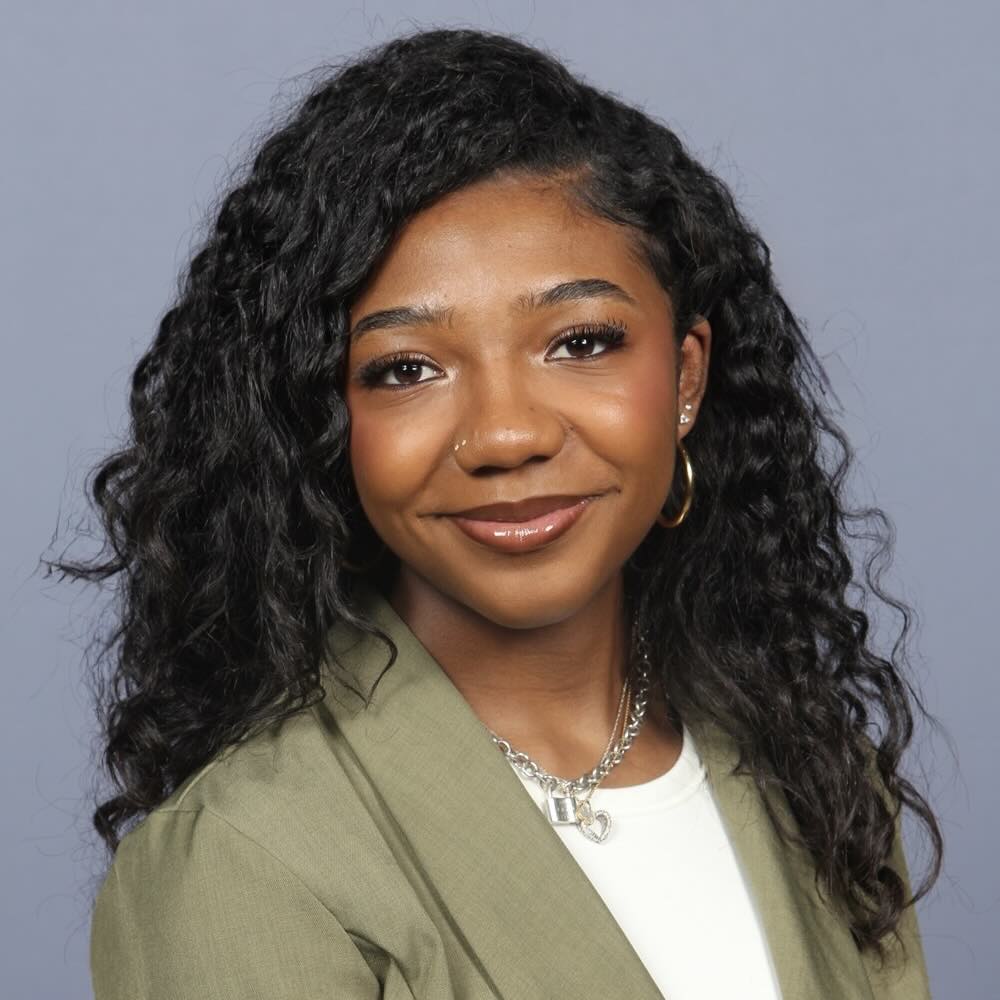
Speaker: Kahlila Williams, Youth Organizer, Researcher, and Doctoral Student, University of Southern California
Kahlila Williams is a youth organizer, researcher, and doctoral student in K–12 Education Policy at the University of Southern California.
A former foster youth and longtime education justice advocate, Kahlila began organizing as a student with Students Deserve, where she helped lead efforts to defund school police and reinvest resources into Black students, school communities, and systems of care.
Her work examines how young people organize against institutional harm and build safer, more healing-centered futures through collective action.
Kahlila’s research interests include educational equity, abolitionist school safety, restorative justice, youth organizing, and the experiences of Black and foster youth within schools. She has contributed to policy advocacy, participatory research, and community-based initiatives across Los Angeles.
Maternal Health
The Weight We Carry: How Stress Lands in a Black Woman's Body — and How We Heal
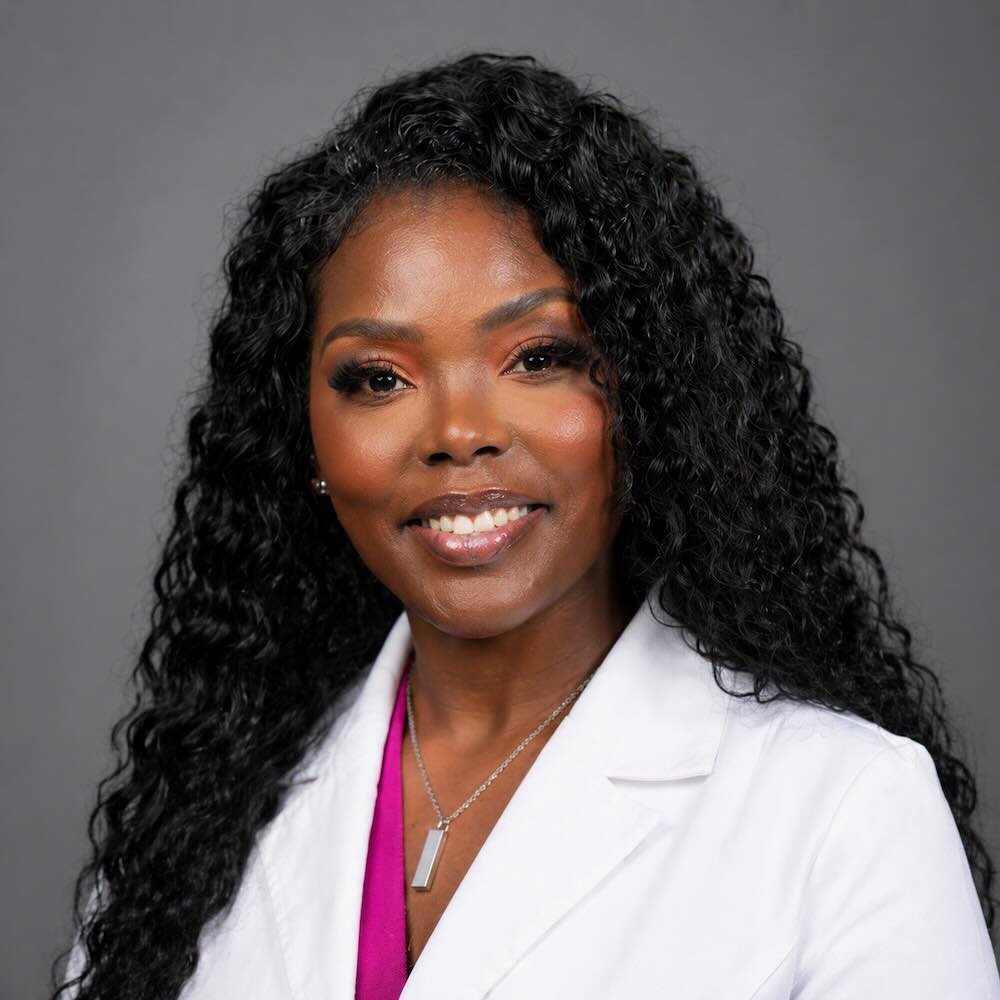
Speaker: Dr. Eboni January, MD FACOG, Board-Certified OB-GYN, Surgeon, Bestselling Author
Dr. Eboni January — “Dr. EJ” — is a board-certified OB-GYN, surgeon, bestselling author, and nationally recognized leader in maternal health, preventative wellness, and healthcare equity.
Licensed across 15 states, she translates complex women’s health science into empowering, actionable knowledge for women, families, and underserved communities.
A proud native of East St. Louis, she serves as Clinical Associate Professor at Roseman University College of Medicine, founded the Daniel January Foundation, and is a Presidential Lifetime Achievement Award recipient.
She is also a proud member of Alpha Kappa Alpha Sorority, Incorporated, reflecting a lifelong commitment to service, sisterhood, and leadership.
Men’s Workshop
Black Men’s Reproductive & Health Justice: From Harm to Healing
This track highlights the health realities of Black men as a critical part of reproductive justice and community wellbeing. It explores the impact of systemic inequities, cultural expectations, and barriers to care on Black men’s physical, sexual, reproductive, and mental health.
Participants will engage in dialogue on stigma, prevention, healing, and access to care, while examining how supporting Black men’s wellness strengthens families, relationships, and communities. This is a space to name harm, normalize care, and advance collective healing.
Track Chair: Erikan
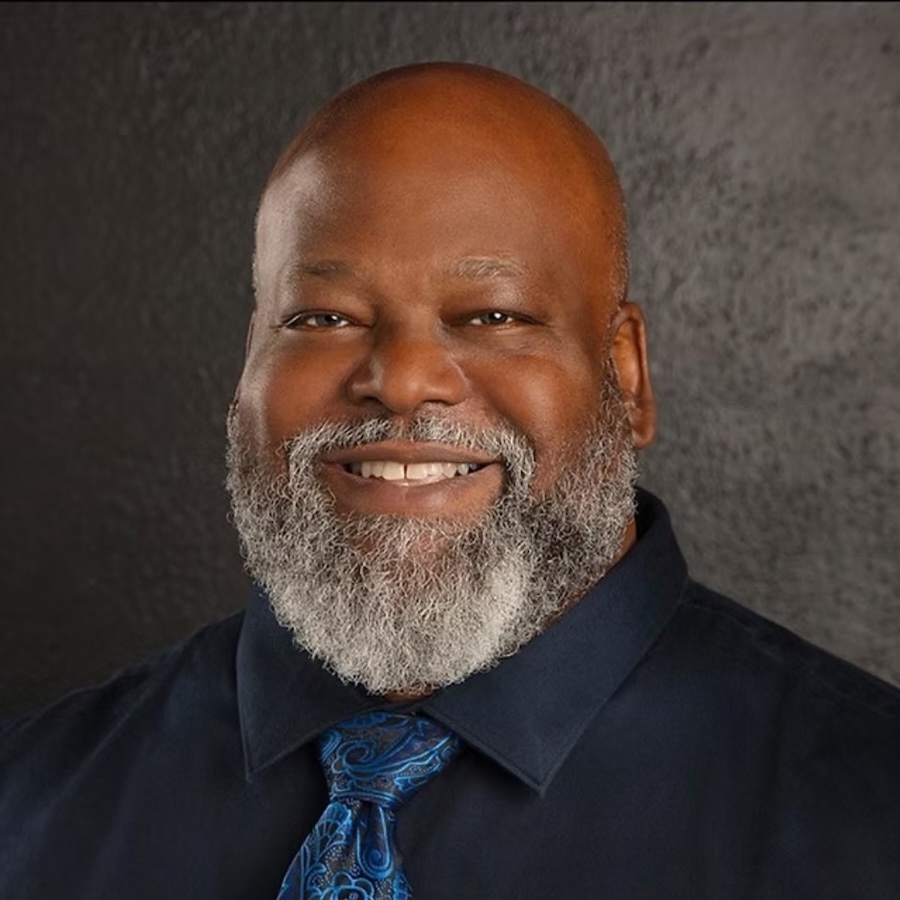
Speaker: Dr. William King, Board-Certified Physician and HIV Specialist
Dr. William King is a board-certified physician and HIV specialist with over 25 years of experience.
Raised in South LA, he returned to serve his community with care that’s inclusive, expert, and judgment-free, right where it’s needed most.
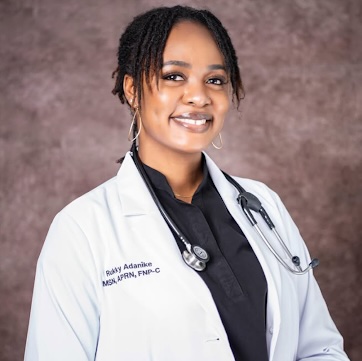
Speaker: Rukky Precious Adanike, MSN, RN, FNP-C, is a board-certified Family Nurse Practitioner, Clinical Educator
Rukky Precious Adanike, MSN, RN, FNP-C, is a board-certified Family Nurse Practitioner and dedicated clinical educator with extensive expertise in critical care and neuroscience. She currently serves as an adjunct faculty member at Charles R. Drew University of Medicine and Science, where she mentors the next generation of nursing professionals.
Driven by a deep commitment to holistic care, mentorship, and community health, Rukky blends high-acuity clinical excellence with a passion for teaching and professional leadership. In addition to her clinical and academic roles, she shares reflective insights on faith, healthcare, and purposeful living as a writer.
She holds advanced nursing credentials (FNP-C, APRN, PHN) and continues to advocate for the advancement of nursing education and evidence-based practice.
12:00 PM – 1:00 PM
Lunch and Community Networking,
Afternoon Stretch Break, Lunchtime Entertainment
The Black Women’s Yoga Collective

Blue Note Caravan Trio
Ricardo Mowatt
The Blue Note Caravan Trio – Drums & Percussion
Ricardo’s musical journey began at an early age in Pasadena, California, where he discovered his passion for playing the drums. While performing with local musicians, he joined The Pasadena Ghetto Orchestra, which opened for prominent acts like Earth, Wind & Fire and Santana. The group later traveled to Europe, rebranding themselves as American Gypsy, and recorded several albums while touring extensively across the continent. Throughout this period, Ricardo collaborated with numerous artists as a drummer. Currently, he serves as the drummer for the Jubilant Voices Choir and the Praise & Worship Team at Holman United Methodist Church, in addition to performing with various local musical ensembles. He also plays a key role as Co-Producer of The Gospel Stage at the annual Taste of Soul Family Festival. For booking inquiries, please reach out to rmowatt29@gmail.com.
Greg Broadous
The Blue Note Caravan Trio – Keyboard
A Compton, California native, Greg began his musical journey under the guidance of local music teacher Evangeline Seward. He later played at a church led by his father, John Broadous Sr. Greg further honed his skills in jazz piano and improvisation, studying with notable musicians such as Charles Kynard, Harold Land Jr., Charlie Shoemake, and Terry Trotter. Presently, he performs solo jazz piano at the Disneyland Pixar Hotel, embodying the character Joe Gardener from the film ‘Soul’.
Abdul Latif
The Blue Note Caravan Trio – Bass Guitar
At just eight years old, Latif uncovered his love for music when he picked up the guitar. He furthered his musical journey at Los Angeles City College, where he refined his abilities on the electric bass. Eventually, Latif developed a deep appreciation for the acoustic resonance and melodic richness of the upright bass.
Since 1999, Latif has actively participated in a variety of bands and musical ensembles, sharing his extensive experience and talent during every performance. He plays an essential role in the “Karl Marsh Quartet,” “The Big Bad Garage Band,” “The Inspiration Group,” and “The Latif Trio.”
Public Policy Session
1:00 PM – 2:00 PM
Reproductive Justice
Reproductive Justice and the State of Black Women’s Health Abortion, Policy, and the Fight for Bodily Autonomy
Abortion access is a fundamental component of reproductive justice and bodily autonomy. The reproductive justice movement was created by Black women who recognized that the legal right to abortion means little without the ability to obtain safe, affordable, timely, and culturally responsive care.
Since the overturning of Roe v. Wade, abortion bans and restrictions have created increasingly dangerous barriers for Black women, who already experience racial discrimination within the healthcare system, higher rates of maternal mortality, economic inequality, and limited access to reproductive healthcare.
These policies can force people to travel long distances, delay care, endure financial hardship, or continue pregnancies against their wishes. Black women, low-income communities, young people, and individuals living in states with abortion bans are disproportionately affected.
This panel will examine the current state of abortion access and the policies shaping Black women’s reproductive freedom. Panelists will discuss abortion bans, criminalization, medication abortion, interstate travel for care, misinformation, financial and logistical barriers, and the political forces threatening bodily autonomy.
The conversation will also explore the leadership of Black women in the fight to protect abortion access and identify the policy, advocacy, funding, and community-based solutions needed to ensure that every person can make decisions about their body, pregnancy, family, and future without government interference.
Moderators: TBA
Panelist: Dr. DeShawn Taylor, MD
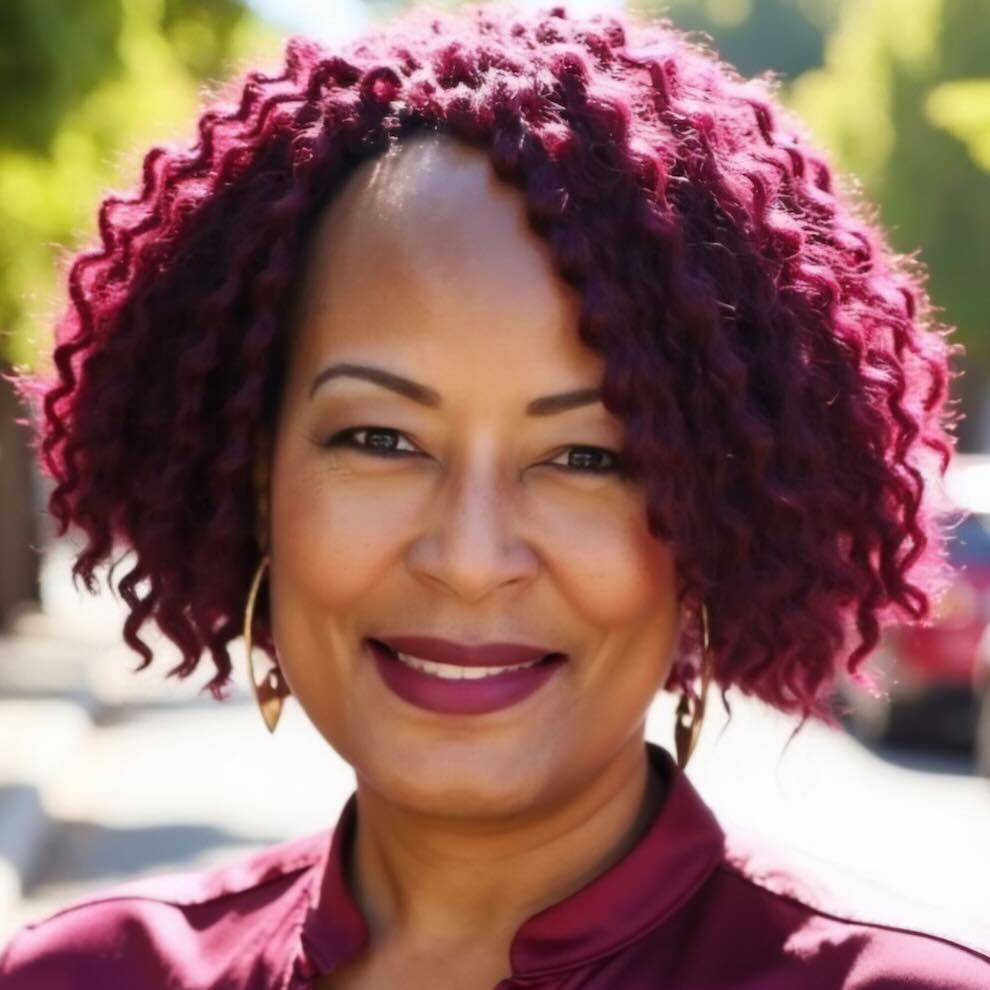
Speaker: Dr. DeShawn Taylor, MD, MSc, Physician, Scholar, Clinic Founder, Reproductive Justice Advocate
DeShawn Taylor, MD, MSc (she/her) is an award-winning physician, scholar, clinic founder, and nationally recognized Reproductive Justice advocate.
As an OB-GYN and provider of abortion and gender-affirming care, she leverages decades of clinical experience to advance reproductive and sexual health access through direct service, education, and policy advocacy.
As founder and CEO of Desert Star Institute for Family Planning and Health Justice MD, Dr. Taylor cultivates equitable healthcare access for marginalized communities.
Her latest work, Beyond Choice: An Essential Workbook for Personal and Community Transformation Through Reproductive Justice, is essential reading for those deeply invested in social progress and change.
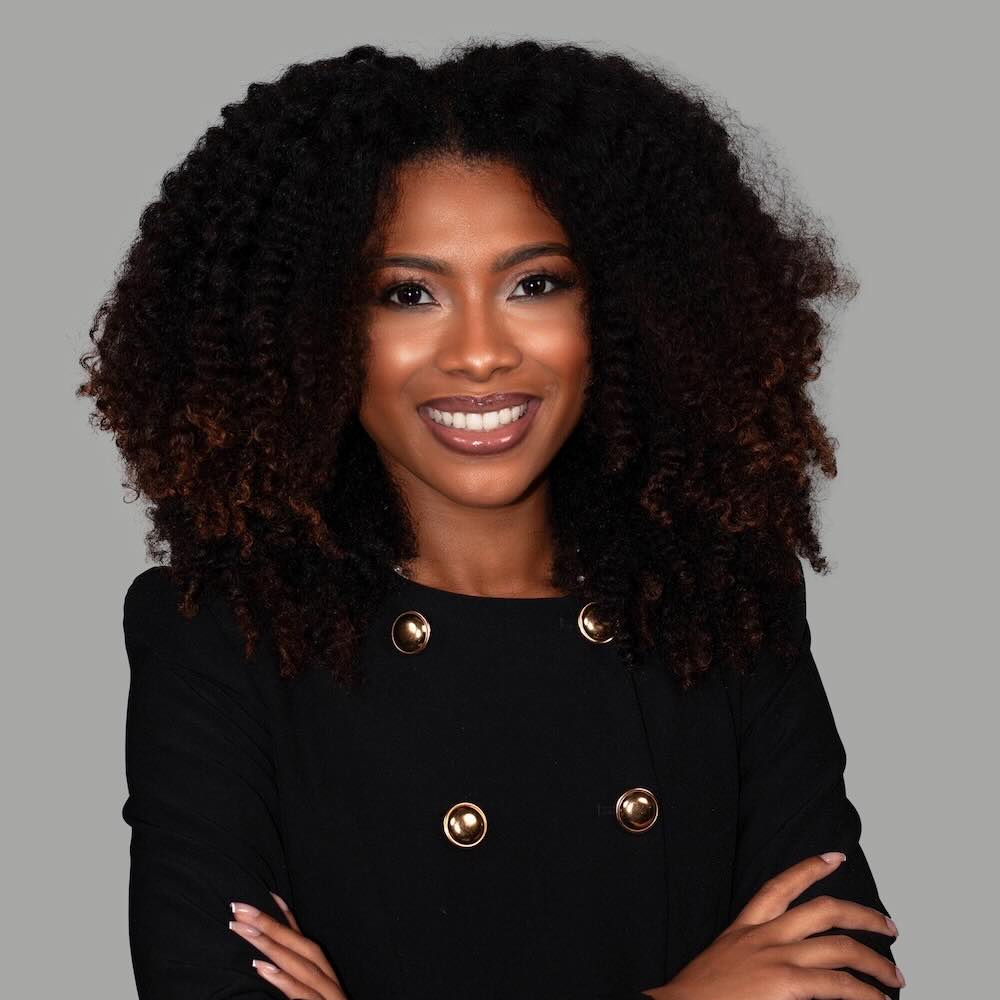
Speaker: Kaylan Tanner, Deputy Director of State Strategies at All Above All
Kaylan Tanner is a reproductive justice policy strategist dedicated to advancing equitable policies that ensure all people have the resources, autonomy, and support to make decisions about their bodies, families, and futures.
As Deputy Director of State Strategies at All Above All, she leads advocacy efforts with partners across the country to advance reproductive justice through state policy, coalition building, and grassroots organizing.
She has helped shape policy strategies in states across the country, with a particular focus on protecting access to emergency abortion care and removing barriers to reproductive healthcare.
Before joining All* Above All, Kaylan served on Capitol Hill as a Health Legislative Assistant, where she worked on healthcare policy and gained firsthand experience navigating the federal legislative process.
A graduate of Dillard University and George Washington University, Kaylan was recently recognized by ESSENCE as one of its Next Gen 10 honorees for her leadership and advocacy.
She is passionate about developing the next generation of leaders and ensuring communities most impacted by policy are at the center of the decisions that shape their lives.
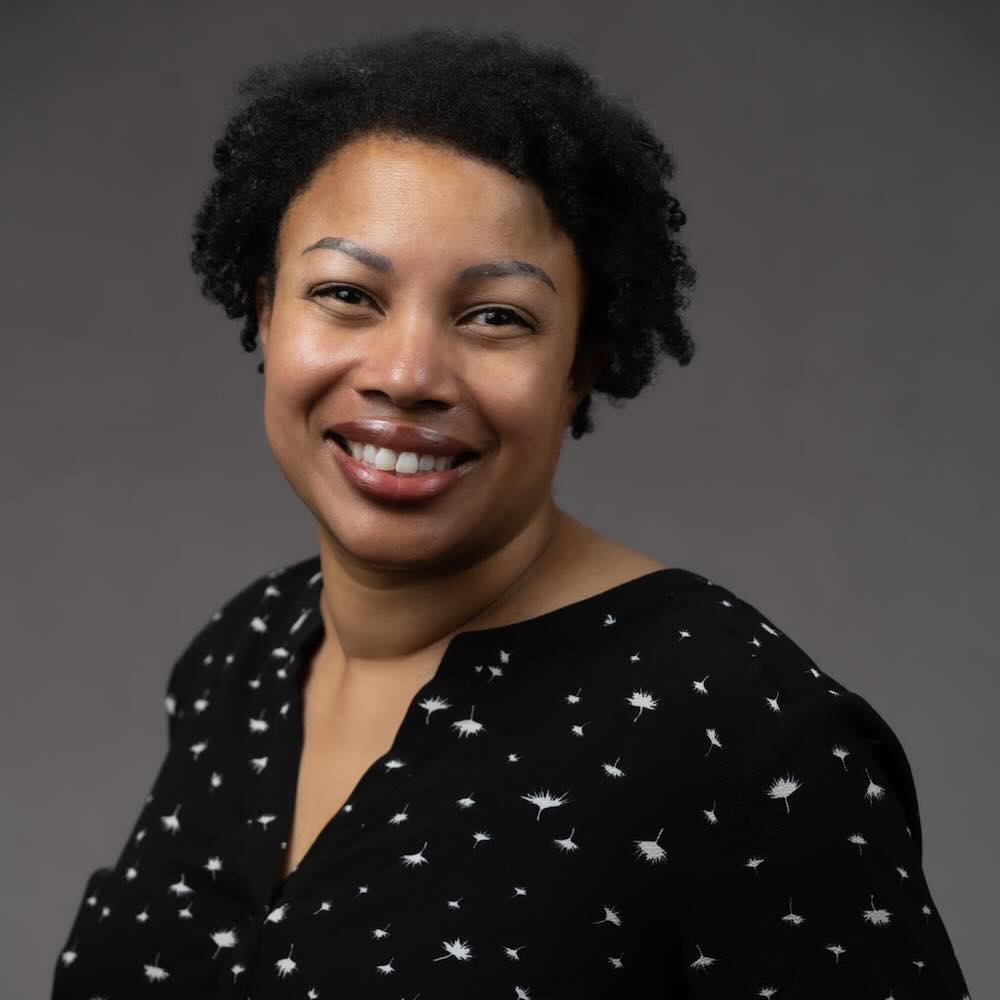
Moderator: Tiffany Bailey
2:00 PM – 2:15 PM
Break
Breakout Sessions
2:15 PM – 3:15 PM
Beauty Justice
All About Love: Celebrating Black Beauty
Inspired by bell hooks’ “All About Love”: New Visions and informed by the groundbreaking work of Professor D. Wendy Greene, this intimate conversation will explore Black hair, beauty, identity, discrimination, healing, and liberation.
Professor Greene is an internationally recognized anti-discrimination law scholar, teacher, and advocate. She is a legal architect of federal and state CROWN Acts and the founder of the #FreeTheHair movement.
Her scholarship has helped establish that discrimination against natural hair and protective hairstyles is not merely about personal preference or grooming; it is a form of racial, gender, and identity-based discrimination.
Together, Arnedra Jordan and Professor Greene will examine the Eurocentric beauty standards imposed upon Black women and girls across generations; the policing of Black hair in schools and workplaces; and the emotional, professional, financial, and health-related consequences of being told that our natural appearance is unacceptable.
Grounded in bell hooks’ understanding of love as an action rooted in care, recognition, respect, commitment, trust, and honest communication, the conversation will ask what it would mean for our laws, schools, workplaces, families, communities, and beauty industries to truly love Black women and girls.
This will not only be a conversation about discrimination. It will celebrate the creativity, memories, rituals, diversity, joy, and freedom found in Black hair.
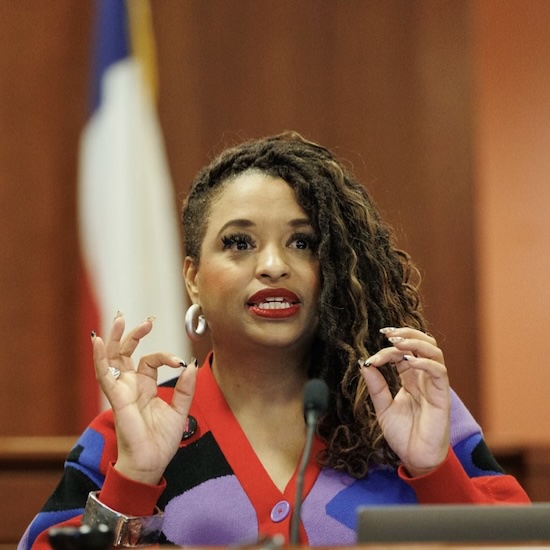
Speaker: Professor D. Wendy Greene
The daughter of American civil rights activists, Professor Doris
“Wendy” Greene is a trailblazing U.S. anti-discrimination law scholar,
teacher, and advocate who has devoted her professional life’s work to advancing racial, color, and gender equity in workplaces, schools,
public accommodations, and beyond.
She is the first (and only)
tenured African American woman law professor at Drexel University
Thomas R. Kline School of Law and the Director of the Kline Law
Center for Law, Policy, and Social Action.
Professor Greene’s award-
winning publications and public advocacy have generated civil rights
protections for countless individuals who experience discrimination in
various spheres.
A visionary scholar-activist, Professor Greene’s scholarship sheds light on how notions of
identity shape the scope of civil rights protections—and often leave people unprotected by law
when their civil rights are violated.
Professor Greene has illuminated this state of affairs most
notably in her portfolio of publications examining what she has coined as “grooming codes
discrimination”: a legal construct that is now recognized in civil rights discourse, theory, and
praxis.
Her internationally recognized body of work—which puts forth viable theories and interventions to redress grooming codes discrimination and its harms—have inspired: academic
and social justice movements; influential corporate and public policymaking; as well as
groundbreaking enforcement stances of the Equal Employment Opportunity Commission
(EEOC), state and local civil rights enforcement agencies, federal courts, administrative law judges, and civil rights organizations domestically and abroad.
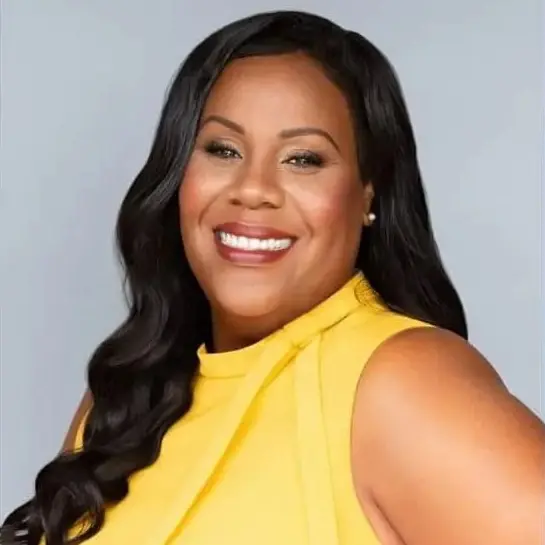
Facilitator: Arnedra Jordan, Director of Programs at Black Women for Wellness
Arnedra Jordan serves as the Director of Programs at Black Women for Wellness (BWW), where she oversees a wide range of initiatives dedicated to advancing health, wellness, and justice for Black women and girls.
With over fifteen years of experience in community organizing, program development, and advocacy, she brings both vision and hands-on leadership to the role.
Arnedra manages departments that include Beauty Justice, Breast Health/Keep in Touch, Food Justice, and the Reproductive Justice Conference, ensuring programs are impactful, collaborative, and responsive to community needs.
Known for her ability to build strong partnerships, secure funding, and mentor emerging leaders, Arnedra also fills gaps across departments when additional oversight is needed, strengthening BWW’s overall organizational capacity.
Global Health
Expanding Reproductive Justice Through Menstrual Regulation: Global Applications, Autonomy, and Patient-Centered Care
Historically and across cultures, people at risk of unwanted pregnancy have used a range of methods to bring on a late period without confirming pregnancy.
These methods have been described using a range of terms, including menstrual regulation, menstrual extraction, and more recently in the United States, “period pills.”
Menstrual regulation aligns with reproductive justice principles by enabling individuals to make decisions early in a potential pregnancy, on their own terms, and with the level of information they choose.
This panel will highlight global practices with menstrual regulation, featuring examples from Latin America, Asia, and Africa.
Panelists will also discuss successes in integrating menstrual regulation with pills into formal healthcare systems in.
Moderators: TBA
Panelists: TBA
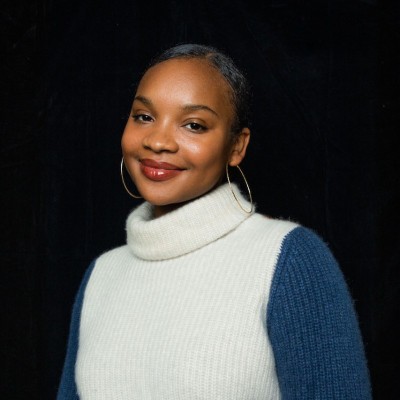
Speaker: Fatoumata Bah, MSc, Research Director for the Period Pills Project
Fatoumata Bah, MSc is the Research Director for the Period Pills Project where she leverages research to increase access to period pills and medication management for early pregnancy loss.
She was previously the lead consultant for Centering Community Voices, where she led a national study aimed at understanding the perspectives and experiences of young people of color when seeking SRH services, including period pills.
Before completing her masters in health and international development from the London School of Economics, she also served in professional roles at Gynuity Health Projects and the Center for Reproductive Rights.
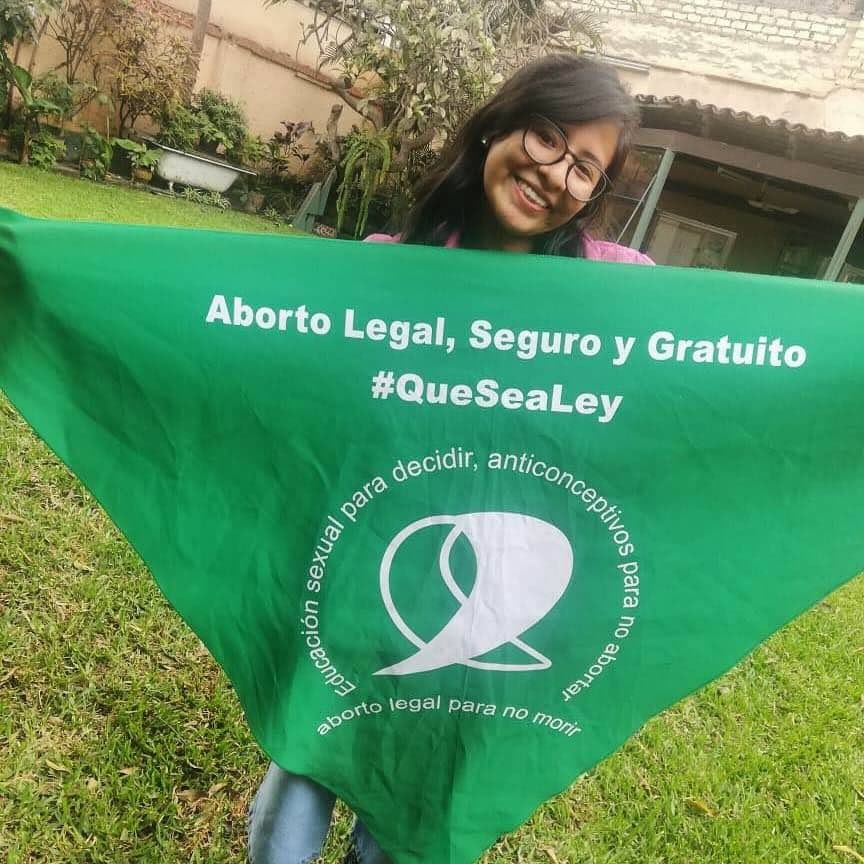
Speaker: Melcy Quispe
Melcy Quispe is a feminist from the Global South and a pansexual psychologist with a focus on human rights, intersectionality, and community-based work.
She has extensive experience in sexual and reproductive health and rights, gender-based violence, and supporting projects led by women and youth.
She has also collaborated with organizations across different countries in Latin America, contributing to regional partnerships and the exchange of experiences.
Since 2016, she has combined her professional training with activism and volunteering, sustaining a strong commitment to free and accompanied abortion, social justice, and hope as a way of resisting through collective care.

Speaker: Diana Santana, MA, PMP, Project and Operations Leader
Diana Santana, MA, PMP, is a project and operations leader with 20 years of experience supporting nonprofits, foundations, and community-based organizations.
She currently consults with Dream Path Strategies and Verge Research, leading strategy, research, and multi-partner initiatives. She began her career in research and capacity-building and later led an HIV prevention program at an Indigenous-led clinic in Guatemala serving 30 Indigenous communities.
For more than a decade, she held senior leadership roles at Planned Parenthood Global, managing complex regional portfolios and cross-country teams across the United States and Latin America. She holds an MA in Anthropology from Columbia University.
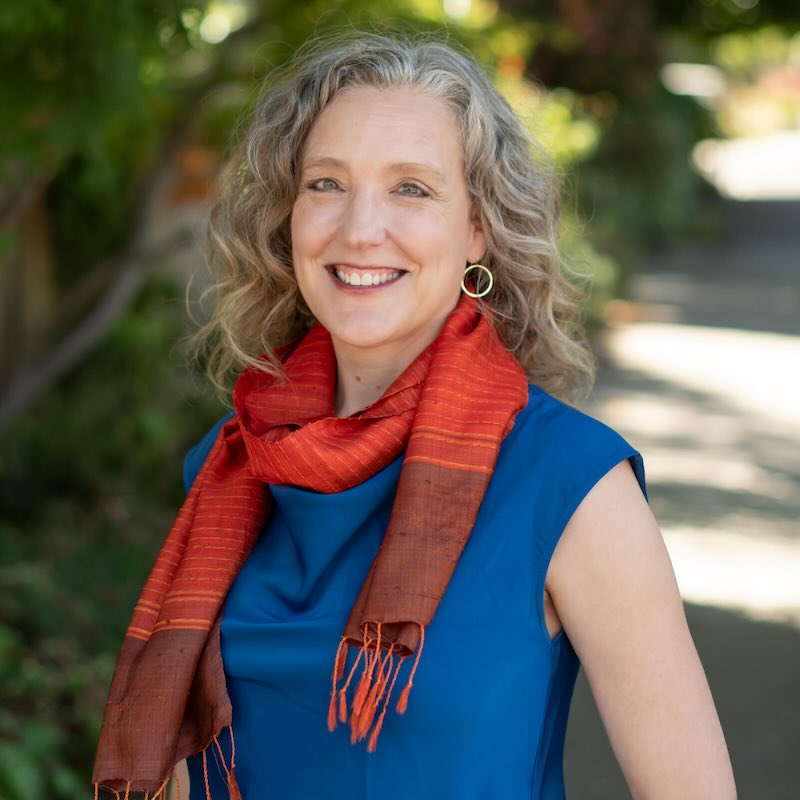
Speaker: Cari Sietstra, JD, Period Pills Project
Cari Sietstra, JD is the Director of the Period Pills Project and the founder of its fiscal sponsor, Innovations in Reproductive Health Access where she provides mentoring and technical assistance to young reproductive justice leaders.
From 2014-2021 she was a founding principal at Cambridge Reproductive Health Consultants, where her work explored innovative frames for the very early use of uterine evacuation medicines, strategies to expand and protect access to misoprostol in the US, and projects that reduced harm from unsafe abortion in long-term conflict settings.
She was the founder of Law Students for Reproductive Justice (now If/When/How, Lawyering for Reproductive Justice) and has consulted for leading reproductive health and rights organizations including the ACLU, Planned Parenthood Federation of America, and Ibis Reproductive Health. She holds a law degree from Stanford Law School and a BA from Harvard University.
Youth Track
Her Body, Her Mind, Her Voice: From Silence to Self-Advocacy & Purpose
For many Black girls, conversations about reproductive health and mental health can be surrounded by shame, cultural stigma, misinformation, and silence. Reproductive justice is not only about access to reproductive healthcare, but it is also about having the knowledge, autonomy, resources, safety, and support to make informed decisions about your body and your future!
This youth-centered workshop explores the connection between reproductive wellness, mental health, self-advocacy, and purpose, creating a culturally responsive space for young women to talk openly about the issues that can shape their lives, including body autonomy, consent, sexual health, periods, pregnancy, abortion, relationships, and emotional well-being.
Through reflection, honest conversation, and practical tools, participants will explore six principles:
Know Your Body → Understand Your Mind → Protect Your Wellness → Use Your Voice → Make Informed Choices → Live With Purpose.
The session will empower girls to recognize that their bodies, voices, mental health, and futures belong to them—and that having access to information, supportive resources, and safe spaces to ask questions is essential to reproductive justice and liberation.
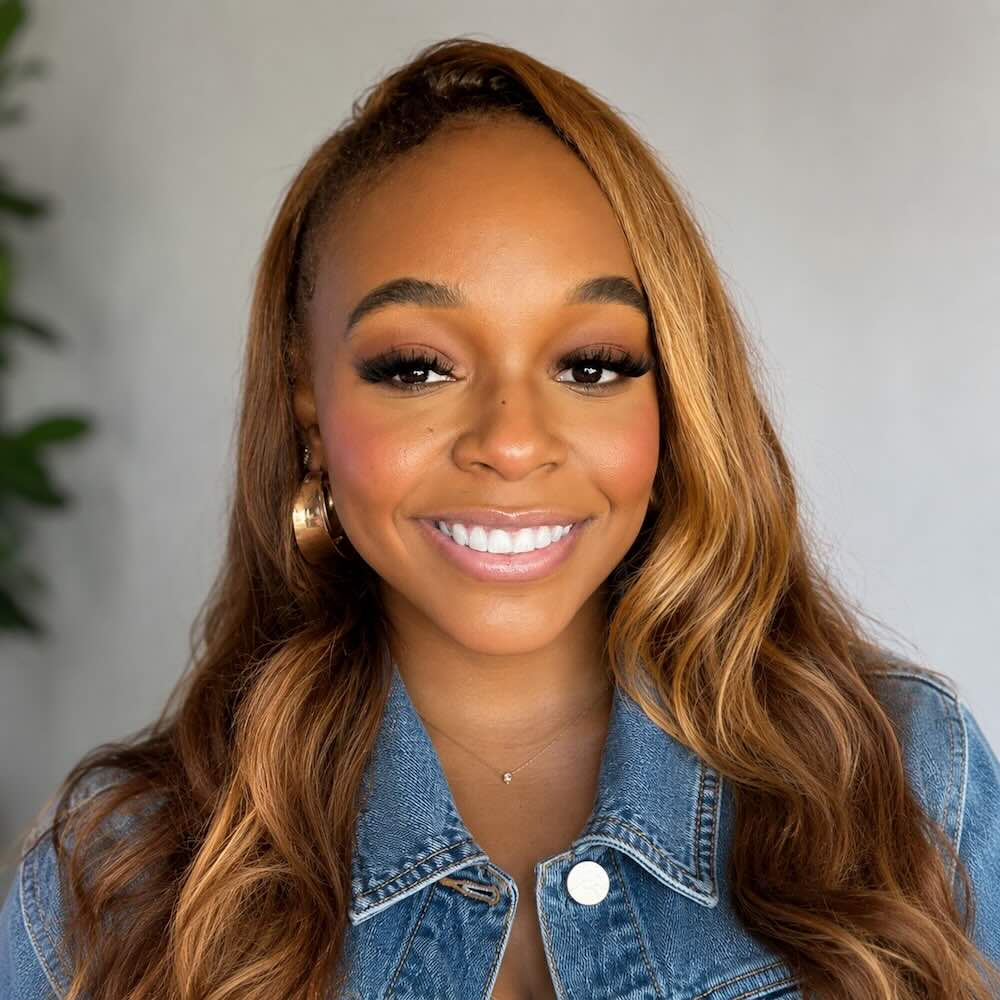
Speaker: Jazmyn Davis, M.A., Ph.D.(c), Founder of Pretty Grls With Purpose
Jazmyn Davis, M.A., Ph.D. Candidate is a mental health and women’s wellness advocate, wellness educator, and founder of Pretty Grls With Purpose (PGP), an organization dedicated to creating intentional spaces where girls and women can prioritize their mental, emotional, physical, and overall well-being.
A proud Spelman College alumna, Jazmyn majored in Biology and Economics on the pre-medical track, initially pursuing her goal of becoming an OB-GYN. While her professional path eventually shifted, her passion for women’s health and reproductive wellness remained deeply rooted in her work.
Jazmyn is currently pursuing advanced training in clinical psychology, with a focus on trauma and the ways culture, relationships, identity, and life experiences shape mental and emotional health. She is also completing the final requirements toward her doula certification.
Her passion lies at the intersection of women’s health, reproductive health, mental health, and holistic wellness, with a particular commitment to improving access to safe, supported, and empowering birth experiences for Black women. She is passionate about creating spaces where women and girls can have honest, culturally responsive conversations about the topics they are often taught to keep silent.
Through Pretty Grls With Purpose, Jazmyn develops programs, workshops, wellness experiences, and community initiatives designed to help girls and women strengthen self-worth, emotional intelligence, healthy boundaries, self-advocacy, and overall wellness. Her work centers shame-free conversations that empower women and girls to better understand themselves, their bodies, their emotions, and their needs.
Jazmyn believes that wellness is not simply about surviving; it is about creating the space, language, resources, and community necessary for women and girls to thrive.
Men’s Track
Fatherhood Beyond Delivery: Supporting Mothers, Strengthening Families
The postpartum period is one of the most transformative and often overlooked stages of the reproductive journey. While much attention is given to pregnancy and childbirth, many Black women experience postpartum depression, anxiety, and emotional challenges without the support they need. At the same time, many partners want to help but are unsure how to recognize the signs of postpartum mood disorders or provide meaningful support.
This interactive panel explores the critical role Black men play in supporting their partners during the postpartum period. Led by maternal health professionals, mental health experts, doulas, fathers, and women with lived experience, the conversation will examine the emotional, physical, and relational realities that families face after birth.
Participants will learn how to recognize the signs and symptoms of postpartum depression and anxiety, communicate with empathy, share caregiving responsibilities, advocate for appropriate medical and mental health care, and create supportive home environments that promote healing for the entire family.
Grounded in reproductive justice, this session recognizes that healthy families require healthy support systems. By equipping Black men with practical tools, knowledge, and confidence, we can improve maternal health outcomes, strengthen family relationships, and help ensure that no mother has to navigate postpartum healing alone.
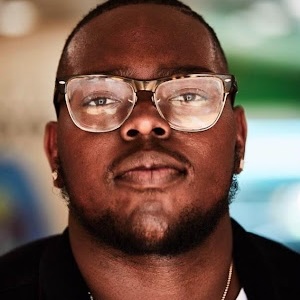
Speaker: Joshua Ham, Community Healer, Advocate, and Founder of The Healing Circle LA
Joshua Ham is a community healer, advocate, and founder of The Healing Circle LA, a nonprofit organization dedicated to advancing mental wellness, restorative healing, and community connection throughout South Los Angeles.
Through culturally grounded dialogue, healing circles, and community based programming, Joshua works to address intergenerational trauma while creating safe spaces for Black men, women, and families to heal and thrive.
His work centers on transforming pain into purpose, strengthening relationships, and building healthier communities through collective care, accountability, and empowerment.
Joshua is passionate about advancing holistic wellness and believes that healing individuals is essential to achieving lasting reproductive justice and community liberation.
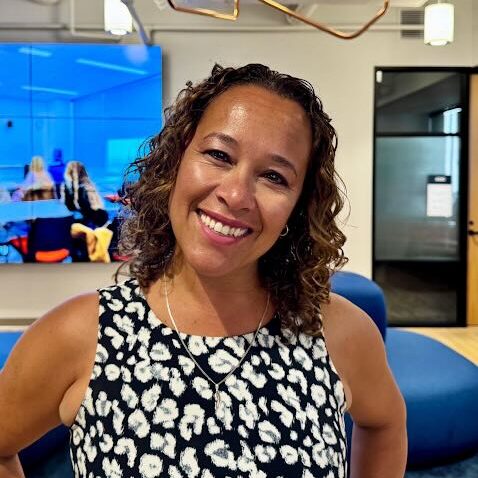
Speaker: Dr. Nadia Rojas Jones, EdD, LMFT, Professor in the College of Professional and Graduate Studies of Marriage and Family Therapy at The Chicago School, Los Angeles
Dr. Nadia Rojas Jones is a Professor in the College of Professional and Graduate Studies of Marriage and Family Therapy at The Chicago School, Los Angeles. She has also lectured at multiple universities in the LA area and is an international speaker.
Dr. Jones loves being a mom of three (plus a dog!) and a wife, alongside her roles as a daughter, sister, and friend. In addition to being a full professor, Dr. Jones is a bilingual AAMFT-approved supervisor and currently serves as the lead supervisor for the counseling center at the YMCA in Long Beach.
Dr. Jones serves as a board member for Willow Family Health and is highly motivated to help the community better understand neurodivergence. She is also deeply interested in suicide postvention and how families cope after suicide.Research focus: parenting, blended families, trauma, child and adolescent development, mother–child relational issues, family therapy, and cultural considerations.
Dr. Jones is trained in EMDR (Attachment-Based) and is also a Grief Counselor and Educator.
LGBTQIA+
The Radical Act: Black Queer Joy & Reproductive Freedom
This panel centers Black queer lived experiences as essential to understanding what reproductive freedom looks like, calling us toward a more holistic, inclusive, and transformative approach to advocacy.
Historically, Black queer women and gender-expansive people have been at the forefront of advocating for bodily autonomy, access to healthcare, and the right to choose.
As we reflect on the harm inflicted on our most vulnerable communities, panelists will discuss what it means to heal. The conversation will also uplift Black queer joy as a radical act of healing, resistance, and community care, honoring the ways joy, pleasure, creativity, and connection sustain our communities in the face of systemic harm.
By centering joy alongside justice, this panel affirms the power of collective care and visibility as essential parts of reproductive freedom.
Moderator: Asia Bryant-Wilkerson
Speakers: Miguel Garcia, Luckie Alexander, Mallery Johnson
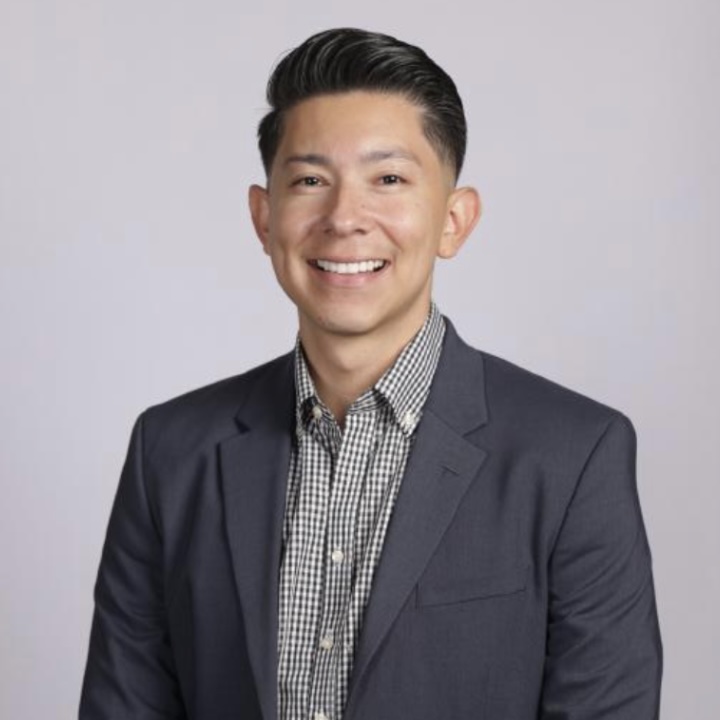
Speaker: Miguel Garcia, Community Liaison with Gilead Sciences
Miguel Garcia is a Community Liaison with Gilead Sciences, supporting community engagement efforts across Southern California. In his role, Miguel collaborates with healthcare providers, community-based organizations, public health partners, and advocacy groups to help facilitate educational programs and community discussions related to HIV prevention, sexual health, and health equity.
He is passionate about fostering meaningful partnerships and supporting efforts that improve access to health education and services.
Healthysexual is an educational, non-promotional presentation focused on promoting sexual health and wellness through open dialogue, awareness, and access to prevention resources.
The session will explore topics such as HIV prevention, PrEP awareness, sexual health education, reducing stigma, and empowering individuals to make informed decisions about their health.
The presentation is designed to foster community engagement and increase awareness of available resources that support overall sexual well-being.
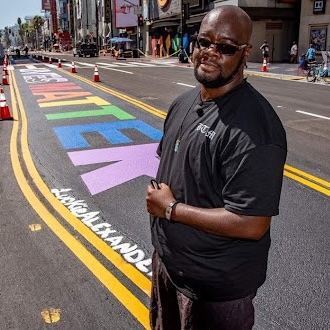
Speaker: Luckie Alexander, CEO and founder of Invisible Men
Luckie Alexander is the CEO and founder of Invisible Men, he has a passion for Gender and Social Justice and is very committed to giving back to the community through education, training, and awareness.
He has been a member of many organizations including, CHIPTS CAB Member, Los Angeles County HIV Commission co chair, a proud member & Historian of the Brown Boi Project and a current member and Chair of the TransAdvisory Board of West Hollywood.
He has received several awards for his advocacy work including the title of Mr. Quest 2018, Stonewall Democratic Club’s Trailblazer Award and BMP’s Lou Sullivan Award in 2020 for the work he does centered around transmasculine individuals in the HIV/AIDS arena and The Williams’ Institute Unity Award 2022.
He was the Assistant Strategy Director for the historic 2019 National Trans Visibility March and was recognized by the Library Of Congress for creating the National Trans Visibility March website.
His experience spans 20+ years in capacities such as Workforce Development Director, SGA Leadership in Utah, AB109 homeless shelter program manager, Peer Mentor for homeless LGBTQI 16-24 youth in Las Vegas Nv. and entrepreneur.
He is also the artist responsible for the 2020 Hollywood “All Black Lives Matter” mural and author of “The In Between” and “Who Rewrote History?” He also provides healing by creating fun wherever he goes and teaching mixed media art & computer technology.
He also holds degrees in Computer Science, Math, English, and Culinary Arts and is currently working towards a BA in Psychology. Luckie is a dedicated member of the community and a seahorse dad raising 4 children, and 5 new grandchildren to be open minded free thinkers and lovers of gummy bears.
Speaker: Mallery Robinson, HIV Healthcare Advocate
Mallery Jenna Robinson is an AfraCaribbean Binary Transgender woman as well as a Transgender and HIV healthcare advocate for Los Angeles and the State of California.
She is an actor, who pursued a profession in teaching Middle and High School Science and History from 2014-2019 while also co-leading the schools drama club, and creating plays around marginalities such as: “The Fulfilled Purpose” and “Life Happens”.
In addition to acting she is the creator of A Hateful Homicide a true crime and investigative journalism podcast covering the hate crimes and hate violence of the Transgender, Gender Non-binary/Nonconforming, Intersex and Two-Spirit community members in the United States and abroad.
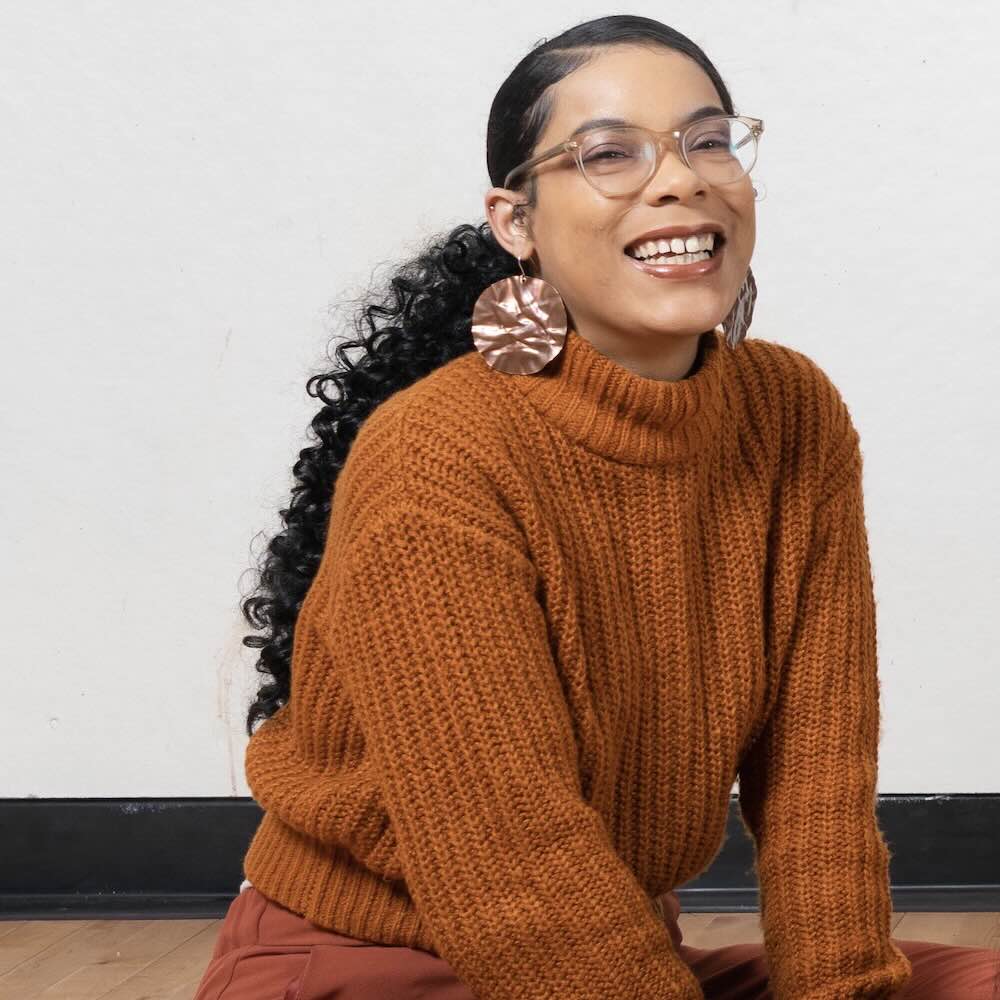
Moderator: Asia Bryant-Wilkerson, Black Women for Wellness
Maternal Health
Speaking Truth to Power: Black Voices on Healthcare, and patient experiences
This session provides a practical, empowering overview of maternal health, focusing on what women need to know across the prenatal, postpartum, and long-term health journey.
Participants will learn about the most common and preventable risks impacting maternal health, including hormonal changes, chronic conditions, mental health, stress, sleep, and postpartum recovery. The session will highlight key warning signs women should never ignore, along with daily habits and preventive strategies that improve outcomes for both mother and child.
In addition, the session will briefly examine how disparities in access to care, bias, and social factors can impact maternal outcomes, equipping attendees with a broader understanding of how to advocate for themselves and support healthier communities.
Moderators: TBA
Panelists: TBA
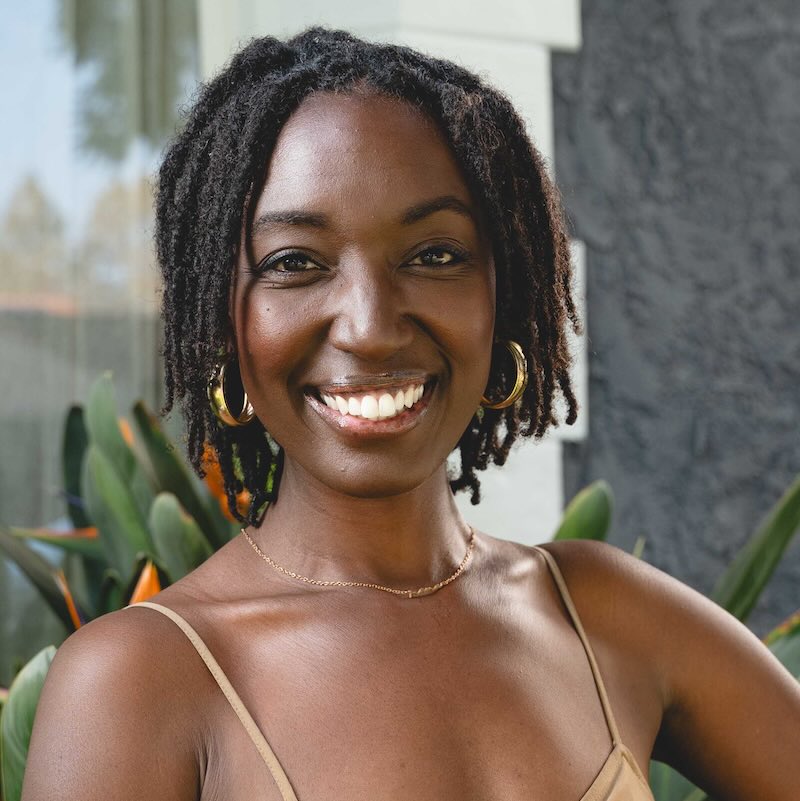
Speaker: Felicia Burkley, Founder of Spirit Fruit Root and Creator of The ClassWomb
Felicia Burkley is the founder of Spirit Fruit Root and creator of The ClassWomb, where she supports women, especially mothers, through holistic education, herbal medicine, and nervous system regulation.
Her work focuses on helping women move out of survival and into stability, clarity, and leadership within their lives and families.
Rooted in both lived experience and community-based work, Felicia centers breaking unhealthy family patterns, strengthening maternal health, and building systems of care that truly support women where they are.
She believes that when a woman is supported, the entire family shifts.

Speaker: Jade Ross, Perinatal Mental Health, Community Care
Jade Ross designs and facilitates programs centered on perinatal mental health, community care, and joy, while supporting birthing people through peer coaching, birth work, and community-based initiatives.
She is committed to helping mothers reconnect with their sense of self, step into their power, and move through complex life circumstances with grace. Her work is grounded in the belief that quality care should be accessible to all.
She hopes to leave everyone she works with feeling a little more connected, confident and supported than when they arrived.

Speaker: Kyla Stevenson, Certified Associate in Project Management (CAPM), Nonprofit Consultant, Advocate, Multidisciplinary Creative
Kyla Stevenson is a Certified Associate in Project Management (CAPM), nonprofit consultant, advocate, and multidisciplinary creative whose focus is on community storytelling and systems change.
She is passionate about building spaces where people feel supported and empowered to create lasting change within their communities.
With experience across nonprofit leadership support, outreach coordination, advocacy initiatives, program operations, and photography, she has contributed to organizations focused on youth development, family support, and engagement throughout Los Angeles County.
As a member of The Los Angeles County MotherBoard, she contributes to advocacy efforts that center Black families, birth justice, and community-driven leadership in California.
She believes meaningful change happens when communities are given the tools to advocate for themselves collectively and continue to create their own opportunities.
In addition to her advocacy work, Kyla is pursuing her Bachelor’s degree in Entertainment Business at Los Angeles Film School, where she has developed creative and strategic approaches through her own business in creative production and project management within the entertainment and media industry.
Through both creative and community-centered work, she hopes to continue building spaces, conversations, and initiatives that leave a lasting impact for future generations.
3:15 PM – 3:30 PM
Break
Power Talks
3:30 PM – 4:00 PM
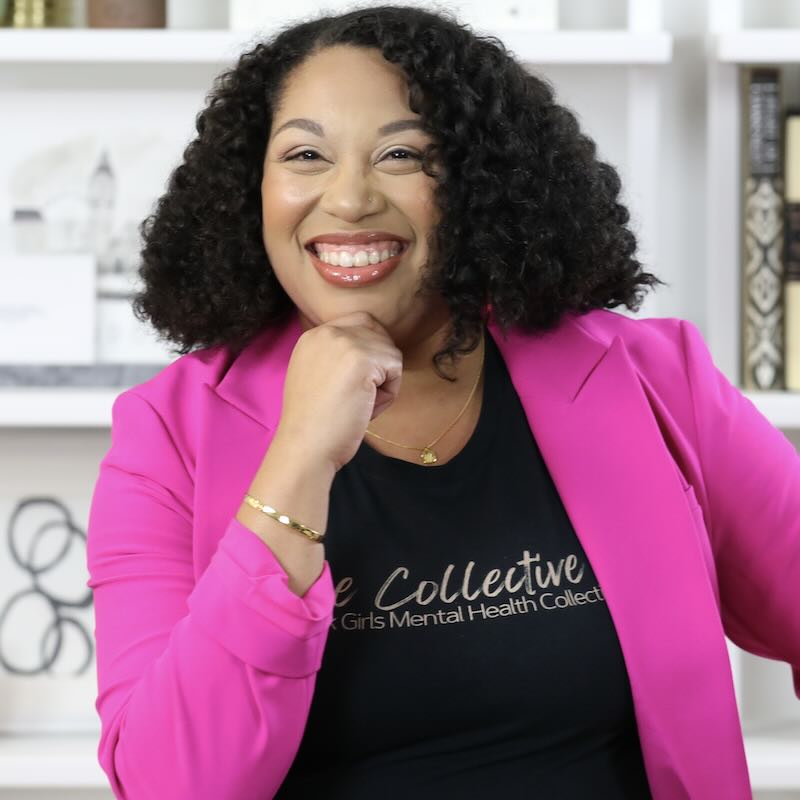
Speaker: Dr. Jaih Craddock, Public Health Social Worker, Therapist, Researcher, Co-Founder of the Black Girls Mental Health Foundation
Dr. Jaih Craddock is a public health social worker, therapist, and researcher with a mission to amplify the voices and experiences of marginalized communities. As Co Founder of the Black Girls Mental Health Foundation (BGMHF), she brings over a decade of experience in
community-based research, and program development to address systemic inequities in mental
and reproductive health care.
With expertise in implementation science and social network analysis, Dr. Craddock has led research on sexual and reproductive health, HIV prevention, and maternal mental health. She has published over 24 peer-reviewed articles, cited more than 500 times, and secured over $5
million in funding to enhance the well-being of Black women and families.
Her leadership spans academia, direct service, and industry, including faculty roles at the University of Maryland and
UC Irvine, and work as a UX Researcher for Google Ads’ Responsible AI team.
At BGMHF, she develops culturally affirming programs such as parent forward workshops and perinatal mental health training. She has contributed to tools like the CHOICEs measure to improve shared decision-making in the birthing process.
Inspired by her lived experience as a wife and mother of two, Dr. Craddock is committed to dismantling systemic barriers, ensuring Black women and girls thrive emotionally, mentally, and spiritually.
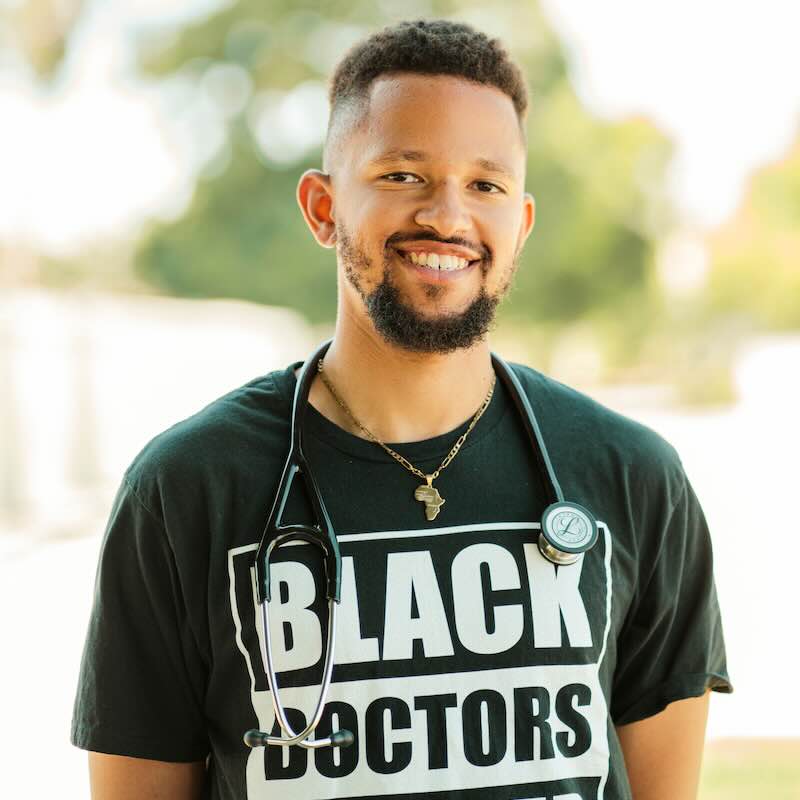
Speaker: Makeen Yasar, MD Candidate, B.S., Poet, Community Organizer, Medical Student
Makeen Yasar (he/him), MD Candidate, B.S., is a poet, community organizer and medical student in training at Charles R. Drew University of Medicine and Science.
Yasar is Co-Lead for Black Wellness Project LA, a student-led and community centered health initiative dedicated towards transforming health outcomes for Black Angelenos and health equity for all, and one of the co-founders of the Social Mission Alliance’s ‘For Us All’ campaign.
Prior to medical school, Yasar worked as a youth organizing fellow for the Brothers, Sons, Selves Coalition, and in the DEI space at Kaiser Permanente’s School of Medicine as their office’s coordinator.
He is a Primarcy Care Leadership Program fellow with the National Medical Fellowship and an active member of the Student National Medical Association (SNMA).
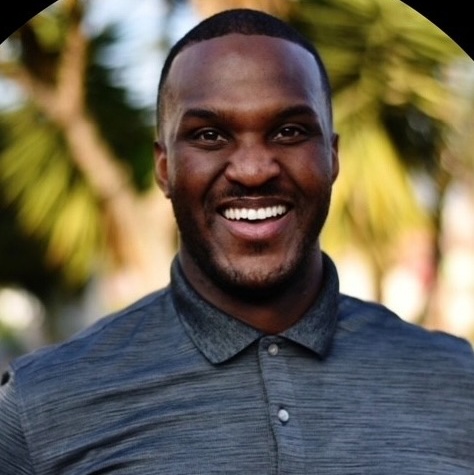
Speaker: Dr. Charles White, Community Engagement Specialist – All for Kids
Dr. Charles White is a public health professional, educator, and community engagement leader with more than a decade of experience in nonprofit services, community outreach, behavioral health, and program development. He is passionate about creating equitable, community-centered programs that improve the well-being of children, families, and underserved populations.
Dr. White earned his Doctor of Education (Ed.D.) in Organizational Leadership from the University of La Verne, where his research explored the lived experiences of African American men who experienced impostor phenomenon and successfully completed doctoral programs.
He also holds a Master of Public Health (MPH) in Mental Health Disorders and Public Policy from The Chicago School of Professional Psychology and a Bachelor of Science in Public Health with an emphasis in Health Promotion and Disease Prevention from California State University, Fullerton.
Throughout his career, Dr. White has held leadership and community-focused roles across nonprofit organizations, healthcare systems, and regional centers. His professional experience includes community engagement, case management, resource development, program coordination, vendor management, training and facilitation, and strategic partnership development.
He has successfully led workshops, outreach initiatives, community collaborations, and large-scale events that connect individuals and families to critical resources and services.
As a dedicated advocate for health equity and lifelong learning, Dr. White remains committed to empowering communities, fostering meaningful partnerships, and developing innovative programs that create lasting impact.
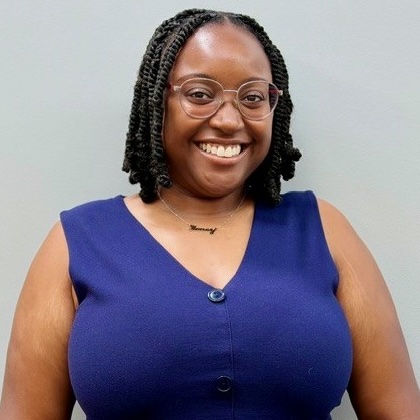
Speaker: Tori Mitchenor, Community Engagement Specialist - All for Kids
Tori Mitchenor is a Community Engagement Specialist with All for Kids, where she designs and facilitates engaging, strength-based workshops that promote mental health, wellness, family engagement, and community connection.
She holds a Bachelor of Science in Psychology from Towson University, and an Associate of Arts in Psychology from Harford Community College.
Tori has experience leading interactive workshops on emotional well-being, nutrition, financial literacy, STEAM education, resilience, and personal development. She is passionate about creating welcoming spaces where individuals and families can build confidence, develop practical life skills, and strengthen their overall well-being through meaningful learning experiences.
At today’s Black Women Wellness Conference, Tori is honored to share practical tools that encourage self-reflection, healthy living, and personal growth while inspiring participants to invest in themselves, their families, and their communities.
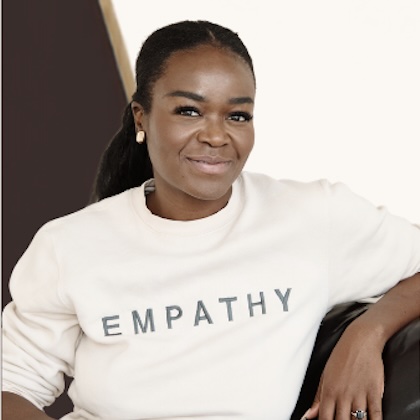
Speaker: Obiageli Miller-Uguru, PhD.
EDUCATION
- Fuller Theological Seminary [American Psychological Association Accredited], CA PhD Clinical Psychology. Neuropsychology Track M.A., Intercultural Studies, M.A., Clinical Psychology
- University of Lincoln, UK
MSc., Child Studies/Developmental Psychology. School of Psychology - Denison University, OH
BSc., Biology. School of Life Sciences Neuroscience concentration/Psychology Minor
PROFESSIONAL AFFILIATIONS
- California Psychological Association (CPA)
- American Psychology Association (APA)
- American Academy of Clinical Neuropsychology (AACN)
- The International Neuropsychological Society (INS)
- Black Women for Wellness (Los Angeles Chapter)
- Delta Delta Delta Sorority (∆∆∆) – Delta Chi Chapter
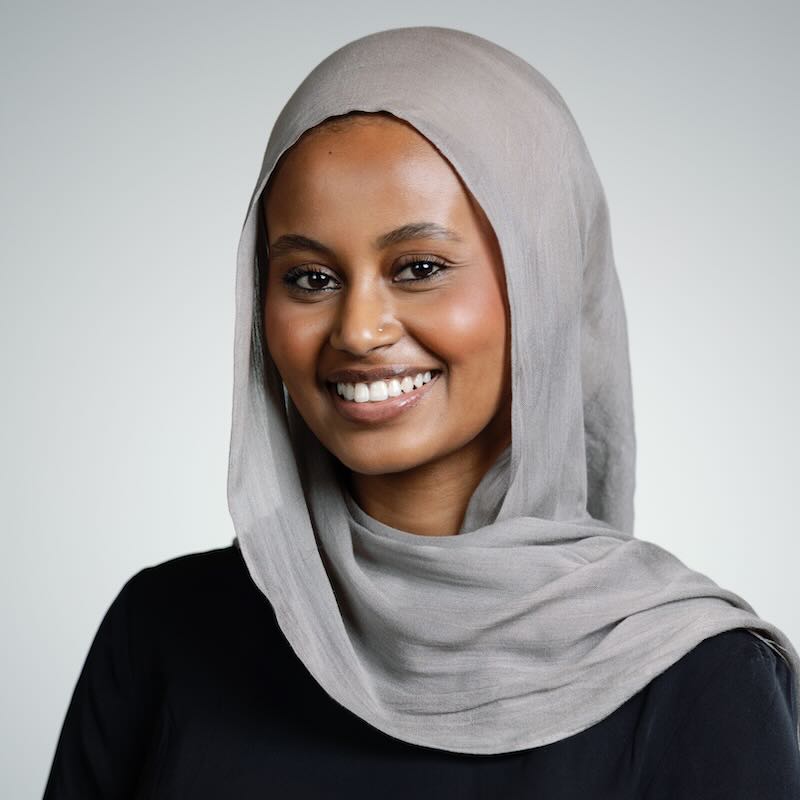
Speaker: Sumaya Mohammed, M2 at the Kaiser Permanente School of Medicine
Sumaya Mohammed is an M2 at the Kaiser Permanente School of Medicine.
She’s from Northern Virginia and attended the University of Virginia for her undergraduate studies where she majored in Public Health and Biology.
She’s very passionate about women’s health/increasing health literacy in underserved communities and hopes to go into OB/GYN!
4:00 PM – 4:15 PM
Closing Remarks
4:15 PM – 4:30 PM
Community Networking and Departure
Sponsors
Thank you to the organizations making this year’s reproductive justice conference possible.





Our Team

Jan Robinson Flint - Executive Director
Black Women for Wellness, a woman-centered community-based organization that educates Black women and girls about reproductive justice issues, is led by Executive Director Janette Robinson Flint.
She is also a member of the Los Angeles Coalition for Reproductive Justice, the California Coalition for Reproductive Freedom, and In Our Own Voice, a national coalition of Black women advocating for reproductive justice.

Arnedra Jordan - Director
Arnedra Jordan is the Project Manager at Black Women for Wellness, overseeing the Beauty Justice Initiative.
With over fifteen years of experience in the breast health field, Arnedra has dedicated her career to advocating for the health and well-being of Black women and girls.
Her work involves providing education on environmental health, beauty justice, and breast health education, where she focuses on addressing harmful ingredients in beauty products and promoting comprehensive breast cancer awareness and prevention strategies.

Erika Gist, MPH - Program Analyst
Ms. Gist serves as the Program Analyst at Black Women for Wellness, where she plays a key role in developing and executing comprehensive program analysis reports that support improved curricula, effective program management, and adherence to grant deliverables.
With a deep commitment to reproductive justice, she also co-chairs BWW’s annual Reproductive Justice Conference–a yearly convening that brings together community members, educators, advocates, health professionals and doulas to discuss the state of reproductive rights, reproductive health, reproductive justice and the overall well being of Black women and girls.
With over 20 years of dedicated service to BWW, Ms. Gist brings a wealth of knowledge and a passionate commitment to advocating for the well-being of Black women and girls.
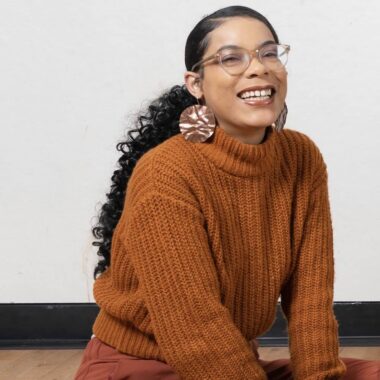
Asia Bryant-Wilkerson
As a chef with more than seven years of experience, she has developed a passion for assisting African Americans in overcoming the barriers that prevent them from living a healthy lifestyle.
She seeks to remove all barriers to wellness by working with the Kitchen Divas and National Diabetes Prevention programs, increasing nutritional awareness, providing demonstrations of flavorful cooking, encouraging physical activity, and providing various healing modalities along the way.
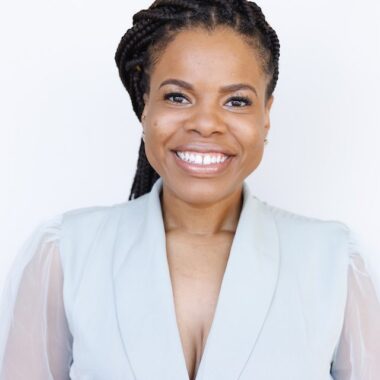
Ari Grant - Comms Coordinator
Hailing from Washington D.C., Ariel Grant is a marketing maven that produces dynamic results. A graduate of The University of Oklahoma, Ariel currently serves as the Communication Coordinator for Black Women for Wellness.
Ariel’s experience working in various industries equips her with a rich perspective that is unmatched.
She has worked directly on marketing and communications teams with established organizations including INROADS, Women In Film, UNCF, The National Academies Press, and the National Basketball Association’s (NBA) Oklahoma City Thunder to name a few.
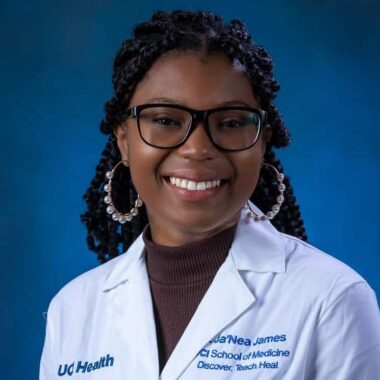
A. Ja'Nea James - Environmental & Beauty Justice Support Specialist
Adia “Ja’Nea” James is a third year medical student and a PRIME LEAD-ABC Scholar at the University of California, Irvine School of Medicine.
She was born and raised in Sweet Home Alabama, where her grandmother, a retired nurse, played a significant role in her upbringing and passion for community-based healthcare.
Ja’Nea graduated from Pomona College with a B.A. in Gender and Women’s Studies on the pre-medical track. After college, she dedicated two years to Black Women for Wellness as the lead program coordinator for the Sisters in Motion Program.
Her research interests include Black women’s health, gender dynamics in the Black community, and Black healing traditions and rituals. Outside of her studies and advocacy work, Ja’Nea loves to read, bike, kayak, longboard, skate, crochet, and FaceTime her baby cousins down South.