

Summary
For many, the beginning of a new year signifies a fresh start and the promise of a healthier self. We set intentions to uphold personalized goals and resolutions that will ultimately improve ourselves over the course of the year… if we make it that far. Although the objective of setting New Year's resolutions is rooted in a wellness approach, societal pressures and the desire for self improvement can lead to routines that do the exact opposite.
 By: Tiffany Holmes
Purging your cosmetic cabinet to purchase all new skincare products, buying the newest TikTok Shop multi-vitamin gummies, committing to a trendy diet, or even scheduling your next chemical peel can carry painful, harmful, and oftentimes toxic consequences, with both short and long term health effects.
For centuries, women have been conditioned to normalize, encourage, and even desire painful beauty practices. We often hear the phrase “beauty is pain,” reinforcing harmful rituals in the name of glam and desirability. We adopt the belief that beauty comes at the cost of our health, well-being, and wallets. Even many of the “self-care days” we take as women require tedious and often uncomfortable tasks– facials, lash extensions, nail and hair care, and waxing. Beauty should not require extreme discomfort or suffering, especially in the name of wellness and resolution.
In many instances, women are unaware that the very products and procedures we invest in, consume, and apply to our skin are toxic. Due to racialized beauty standards, aggressive tactics from the beauty industry, and the widespread use of harmful beauty products, Black women are disproportionately exposed to hazardous chemicals. Long term exposure to endocrine disrupting chemicals can result in various forms of cancer, including breast, uterine, ovarian, and endometrial cancers. These chemicals such as parabens, phthalates, and fragrances are most commonly found in hair straighteners, skin lighteners, and fragranced lotions. The risks of exposure not only carry grave physical consequences but also emotional and financial burdens. New Year’s resolutions should reinforce wellness practices and support an individual’s health, not introduce long term health effects or compromise overall well-being.
The pursuit of self-betterment should be rooted in self-love and self-expression, rather than painful, hazardous, and toxic beauty treatments. What if modern beauty goals prioritized wholeness over aesthetic alteration? Would women be more willing to uphold New Year’s resolutions if the goals prioritized feelings of comfort, pleasure, and joy?
This year, wellness approaches should prioritize slower, more intentional rituals that care for the whole person. Instead of aiming to lose a specific amount of weight over several months, reframe the resolution to ensure you’re receiving the necessary vitamins and nutrients through daily meals. Rather than setting the goal to expand your skincare routine, set the intention to become a more informed consumer. Identify toxic ingredients in your cosmetic products, prioritize local businesses, and understand that beauty and identity are deeply intertwined.
In 2026, establishing resolution “themes” rather than hyper-specific goals allows for flexibility, relieves pressure to commit to unenjoyable tasks, and centers wellness as a holistic approach. Reset this February and lean into a new mindset to guide the rest of your year. Reject social pressures and harmful beauty treatments disguised as self-care rituals. Talk with community members and loved ones about how to bring more joy and peace into the new year through intentional actions. Ultimately, when we Commit to prioritizing genuine wellness as a New Year’s resolution, we choose self-love that honors our entire selves. well beyond appearance or aesthetics.
 Meet the Author
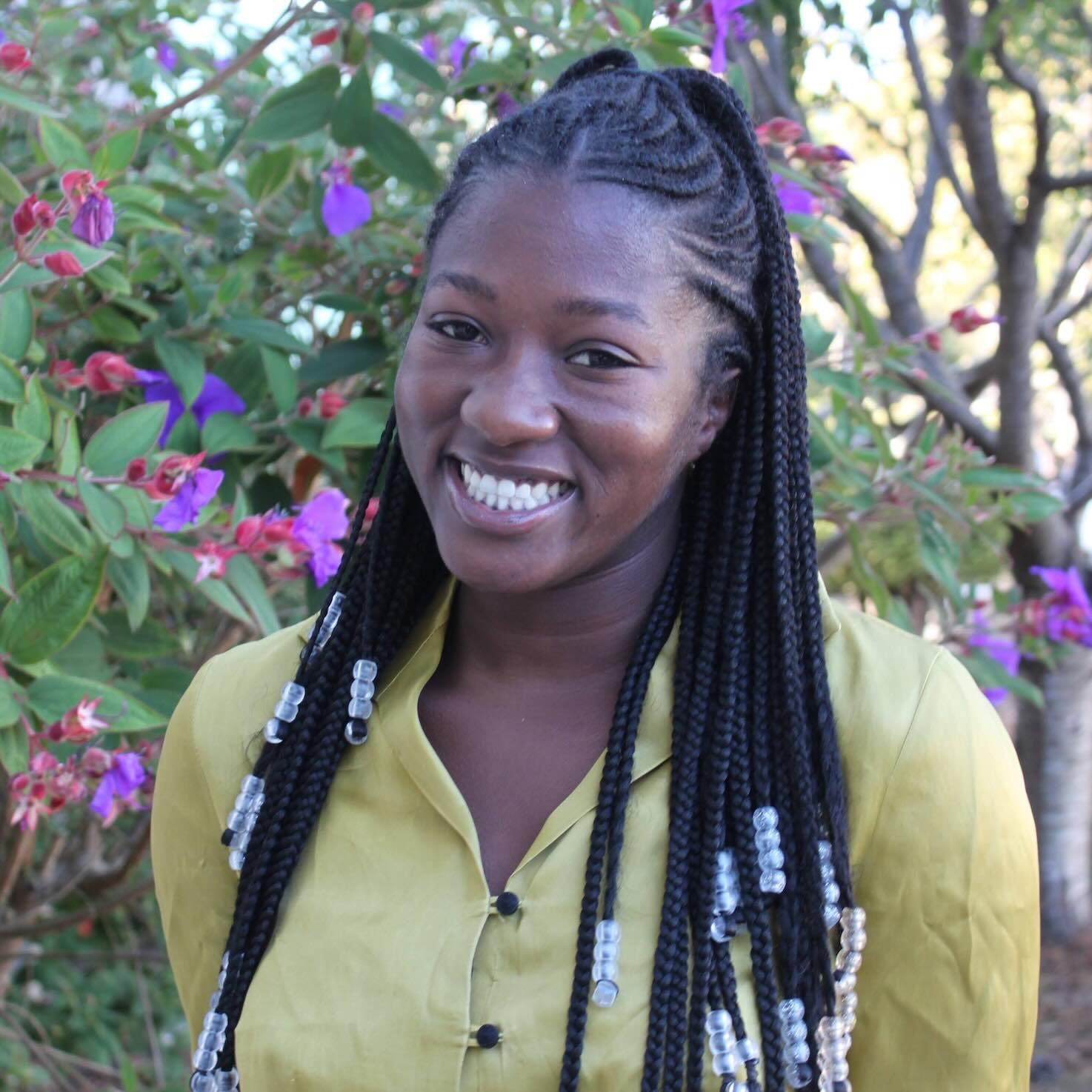
Tiffany Holmes Serves as a Beauty Justice Outreach Worker at Black Women for Wellness (BWW), where she advocates for safe and empowering beauty practices for Black women. Her passion for environmental justice and community care led her to volunteer with BWW, later growing into a leadership role as a Beauty Justice organizer. A graduate of the University of San Francisco, Tiffany studied Sociology, Environmental Studies, and African American Studies, exploring the intersections among these fields. At BWW, Tiffany has assisted in developing the skin-lightening curriculum and educational workshops to educate and empower Black, Asian, and Latinx communities about the cultural, historical, and structural dimensions of skin-lightening practices. The curriculum offers an analysis of the global skin-lightening industry, explores the health impacts of toxic chemicals, and provides culturally relevant workshops on beauty justice. She is passionate about beauty justice practices that affirm cultural pride and promote holistic approaches through health and wellness. In her free time, Tiffany enjoys riding public transportation around Los Angeles, spending time outdoors, and bartending on weekends.